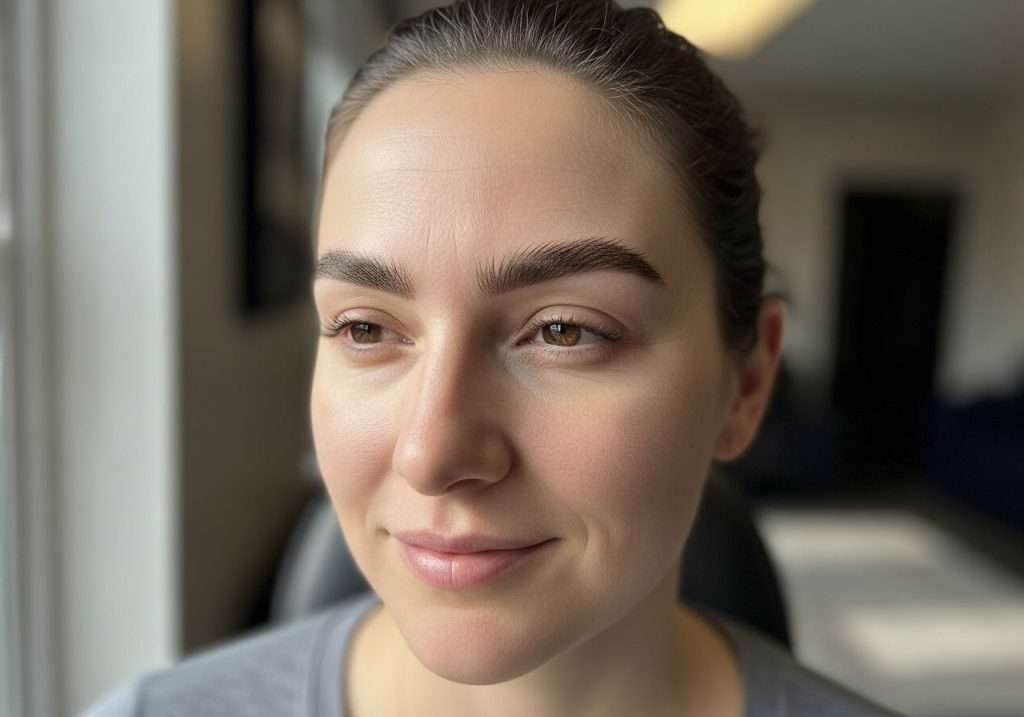
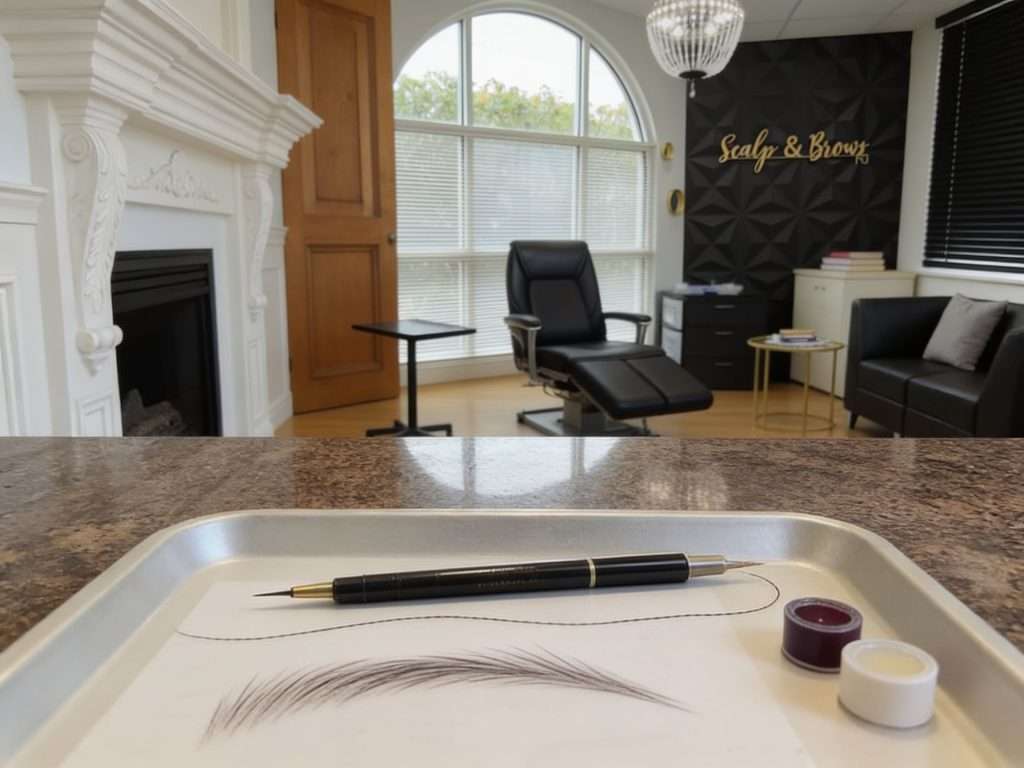
You’ve heard that microblading fades fast on oily skin, and you’re wondering whether there’s a better option before you commit to anything. There is, and it comes down to how the pigment is placed and how your skin responds to it. Nano brows for oily skin deliver sharper, longer-lasting results precisely because the technique is built for skin that behaves the way yours does.
What oily skin actually does to brow pigment
Oily skin produces more sebum, and sebum is the enemy of crisp, lasting brow pigment. When pigment is placed into skin that generates a high volume of oil, two things happen: the strokes blur outward as the skin heals, and the pigment breaks down faster than it would on normal or dry skin. What starts as a clean, defined stroke can look soft, patchy, or smudged within months.
Microblading makes this worse. It uses a manual blade to physically cut the skin, creating deeper channels that the body works hard to repair. On oily skin, that repair process floods the area with sebum, which pushes pigment sideways during healing. The result is strokes that look thick, blurry, or simply disappear ahead of schedule. For many people with oily skin, microblading lasts as little as 12 months before the definition is gone.
The best brows for oily skin are placed with precision, at a controlled depth, with minimal skin trauma. That’s exactly what a well-executed nano brow treatment is designed to deliver.
How the nano brows technique changes the outcome
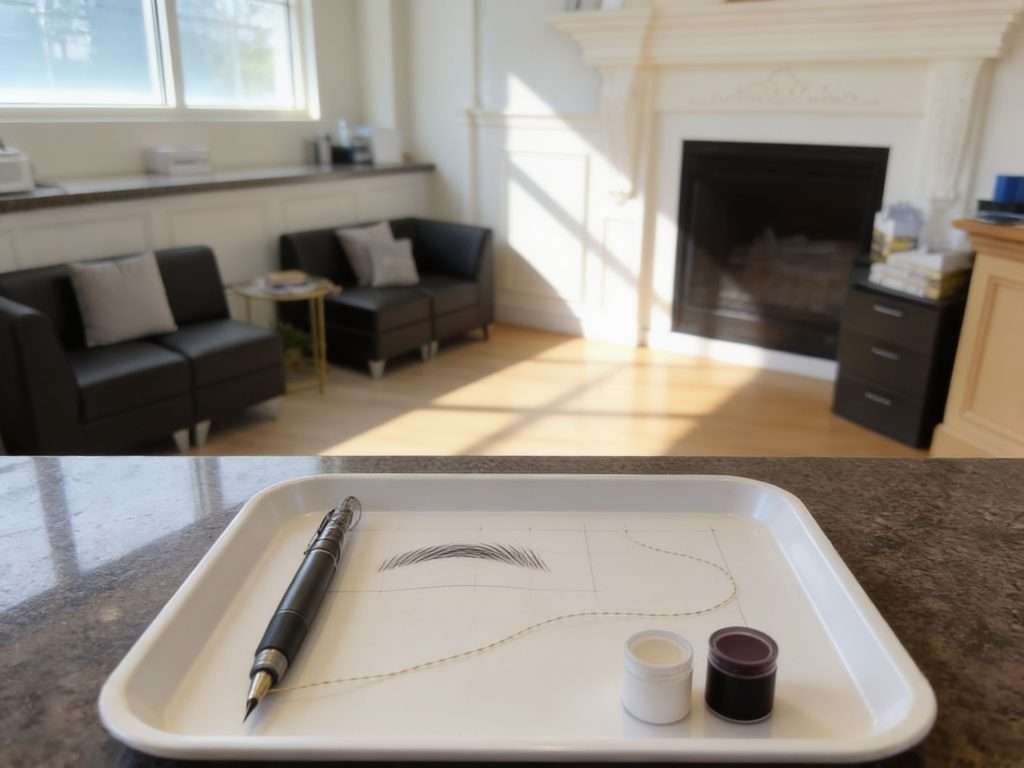
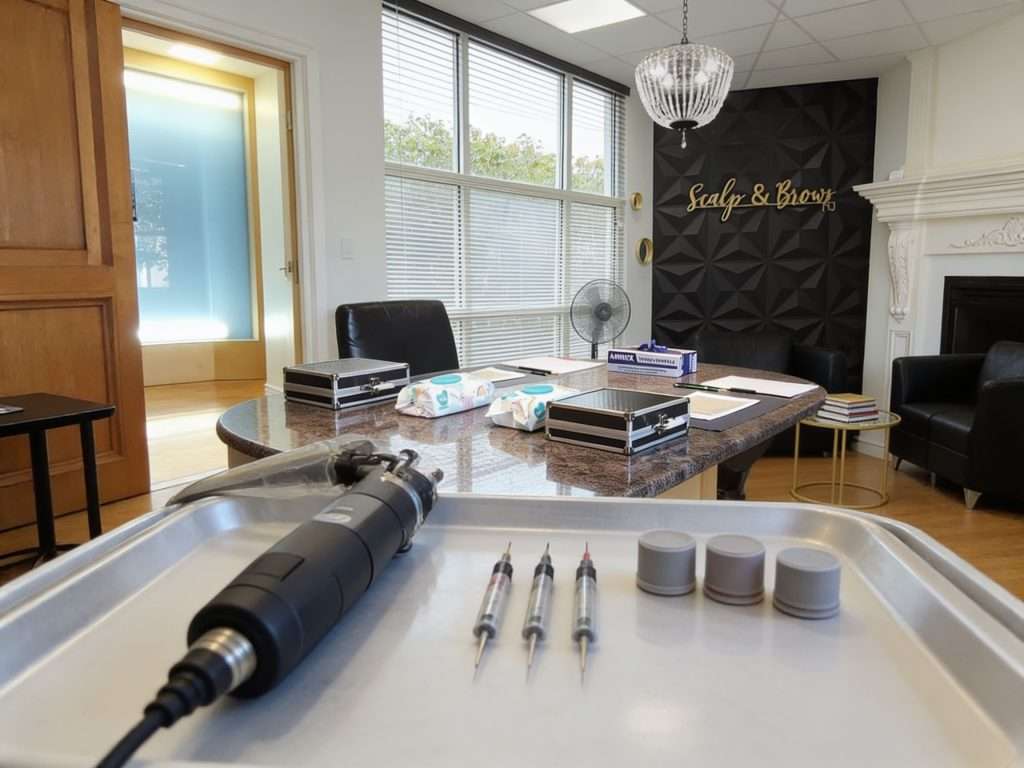
Nano brows use a digital PMU machine fitted with an ultra-fine single needle to create hair-like strokes that mimic real brow hairs. The critical difference isn’t just the tool — it’s the control it gives the artist over implantation depth. That depth is shallower and more consistent than what a manual microblading blade achieves, which means less trauma to the surrounding tissue.
Less trauma means less inflammation. Less inflammation means the skin doesn’t push back against the pigment as aggressively during healing. On oily skin especially, this matters enormously. The strokes stay where they’re placed, pigment retention improves, and the healed result is sharper and holds its definition for longer.
In practical terms, nano brows on oily skin typically last between 2 and 3 years with a single touch-up after the initial session. Microblading on the same skin type often needs refreshing every 12 to 18 months to stay presentable. Over time, that’s a significant difference in both cost and maintenance.
Working with clients across a wide range of skin types, oily skin is consistently where the most dramatic difference in outcomes between the two techniques shows up. The digital machine gives a level of precision that a hand tool simply can’t replicate on skin that behaves unpredictably.
Aftercare that actually matters for oily skin
Aftercare is always important after a PMU treatment, but for oily skin it requires a bit more discipline. Your skin is already producing more oil than average, and anything that adds moisture or occlusion to the brow area in the first week can interfere with how the pigment settles.
Keep the brows completely dry for the first 7 to 10 days. That means avoiding steam rooms, sweaty workouts, and long showers where moisture lingers on the face. Pat dry immediately if water does contact the area. Avoid applying any creams, serums, or SPF directly over the brows during healing, including the moisturiser you’d normally use on your face. The skin needs to exfoliate and settle without interference.
Blotting papers are genuinely useful in the weeks after treatment. If your T-zone gets oily by midday, gently blotting around the brow area (not over it) keeps the surface clean without disturbing the healing pigment. Once fully healed, a lightweight, non-comedogenic SPF applied carefully around the brow area will help preserve colour over time, since UV exposure is one of the main drivers of pigment fading.
One more thing worth knowing: oily skin types often experience a patchier or more uneven heal after the first session. This is normal. The touch-up appointment at 6 to 8 weeks is where strokes are refined and any gaps are filled in. Don’t judge the final result until after that second session.
What to expect from your healed results
Immediately after treatment, the brows will look darker and more defined than the healed outcome. In the first week, some flaking and a temporary softening of the strokes is completely normal. Oily skin types tend to exfoliate more actively, which can make this stage feel alarming. Stay consistent with your aftercare and resist the urge to pick or scratch.
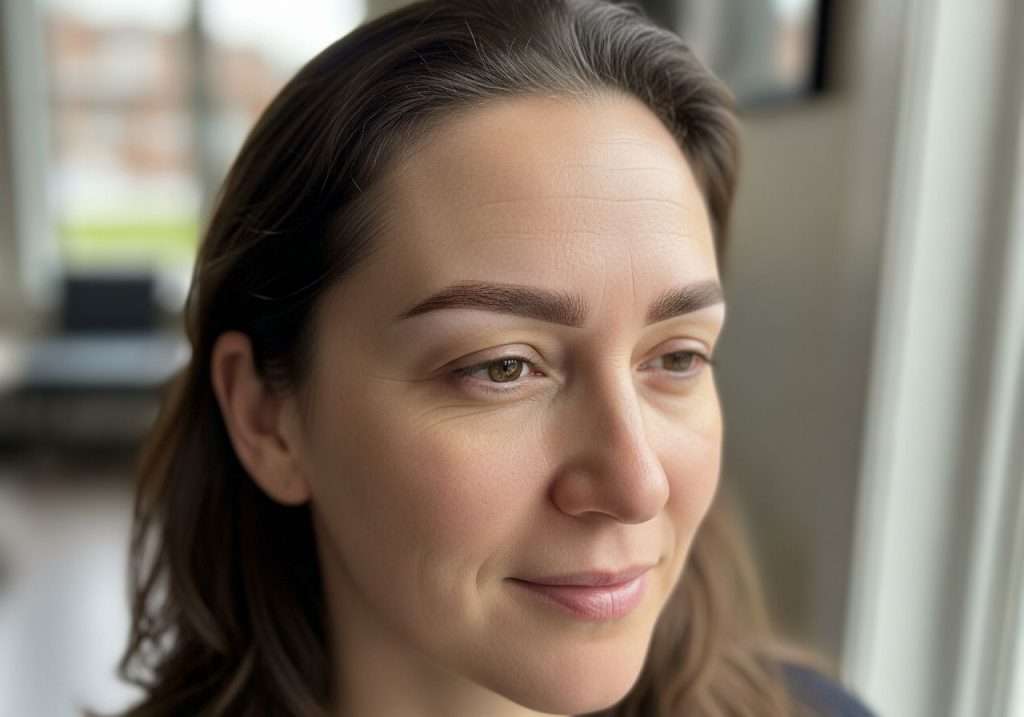
By weeks 3 to 4, the surface has healed and the true colour begins to show. On oily skin, the colour will surface slightly lighter than on drier skin types, which is why the touch-up appointment is built into the process rather than being optional. After that second session, the brows settle into their final result: defined, natural-looking strokes that hold their shape.
With sensible skincare habits — staying out of tanning beds, using SPF daily, and avoiding harsh exfoliants directly over the brow area — a nano brows oily skin type result can stay clean and defined for 2 to 3 years before a colour refresh is warranted. For anyone who has wasted money on microblading that faded within a year, that longevity alone makes nano brows the more sensible choice.
Frequently Asked Questions
Are nano brows really better for oily skin than microblading?
Yes. Nano brows use a digital PMU machine with an ultra-fine single needle, which causes less skin trauma and allows more controlled pigment placement than a manual microblading blade. On oily skin, this translates to sharper healed strokes and significantly longer-lasting results, typically 2 to 3 years versus 12 to 18 months for microblading.
How long do nano brows last on oily skin?
On oily skin, nano brows typically last between 2 and 3 years with proper aftercare and a follow-up touch-up at 6 to 8 weeks. Microblading on the same skin type often fades significantly within 12 to 18 months. A colour refresh every 2 to 3 years is generally all that’s needed to maintain a clean, defined result.
Why does microblading fade so fast on oily skin?
Microblading creates cuts in the skin that trigger a strong healing response. On oily skin, excess sebum floods the healing channels and pushes pigment outward, causing strokes to blur and fade faster than on normal or dry skin. The deeper implantation of a manual blade also increases trauma, which accelerates the breakdown of pigment over time.
What special aftercare do oily skin types need after nano brows?
Keep the brow area completely dry for 7 to 10 days and avoid applying any creams, SPF, or serums directly over the treated area during healing. Blotting papers can help manage excess oil around the brows without disturbing them. Once healed, a non-comedogenic SPF applied carefully around the brow area helps slow pigment fading caused by UV exposure.
Is patchy healing after nano brows normal for oily skin?
Yes, it’s very common. Oily skin tends to exfoliate more actively during healing, which can cause the brows to look uneven or patchy in the first few weeks. This is why the touch-up appointment at 6 to 8 weeks is a built-in part of the process. The final result shouldn’t be assessed until after that second session.