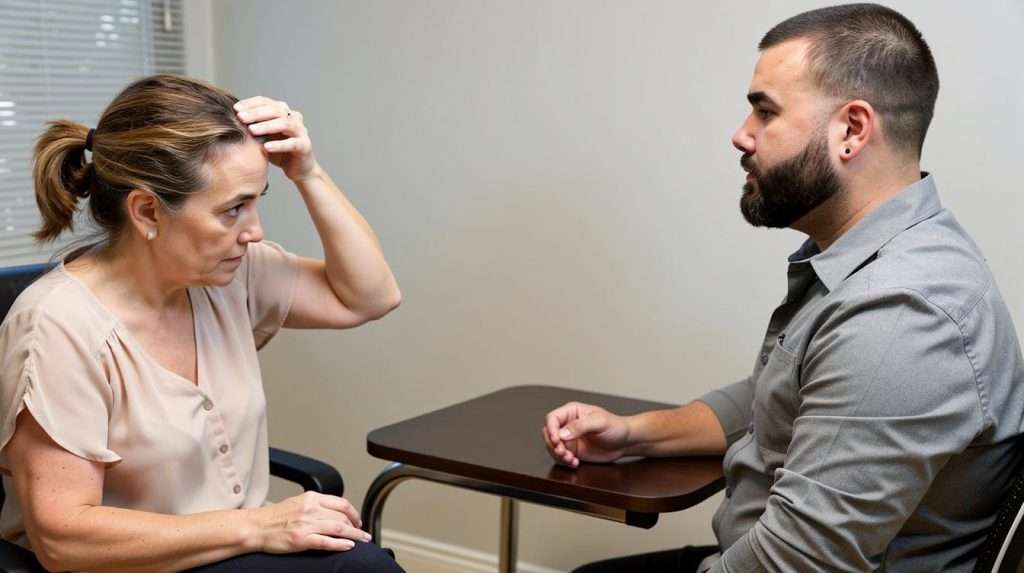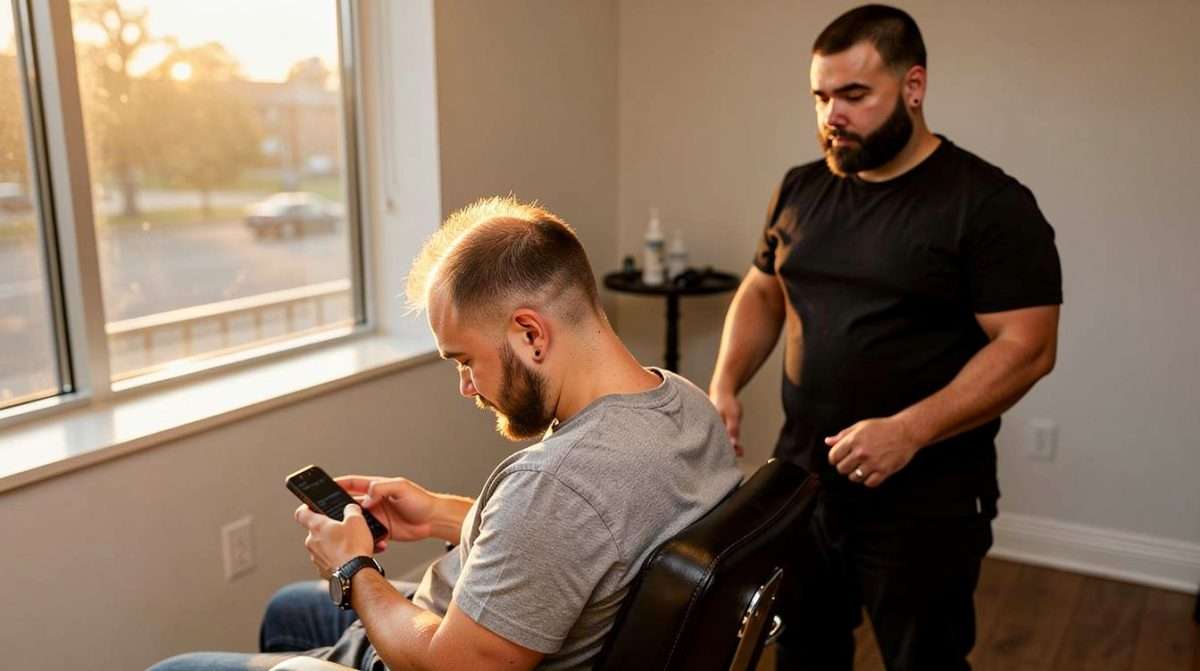
Blonde hair is one of the most nuanced cases I work with when it comes to scalp micropigmentation. The techniques that produce a bold, high-contrast result for darker hair tones need to be completely rethought when a fair-haired client sits down in my chair. Getting SMP density right for blonde hair is both an art and a science — and one I have spent years refining.
The core challenge with light hair and SMP
The fundamental issue with SMP density for blonde hair comes down to contrast. With dark hair, the pigment dots sit naturally against the scalp and read as convincing stubble. With blonde or fair hair, the difference between pigment and scalp tone is far more subtle — and that subtlety has to be intentional, not accidental.
If the pigment is placed too dark, it creates an unnatural spotted appearance that looks out of place immediately. If it is too light, the impression of density is lost entirely. Finding that balance requires a precise understanding of how light interacts with both the skin and the surrounding hair shafts.
This is also where light hair micropigmentation density work separates experienced practitioners from those who treat every client the same. Blonde hair reflects more light, which means the scalp reads brighter overall. Any pigment inconsistency is far more visible under natural daylight than it would be with darker hair types.
Pigment selection and mixing for blonde clients
When I work with a blonde client seeking density, I custom-mix pigments to sit in a range that bridges their natural hair colour and their scalp tone. Reaching for a standard dark pigment would be a significant mistake — one that would undermine the entire result.
The goal is to create dots that mimic the cool, sometimes ashy undertones found in natural blonde hair follicles. Blonde hair is rarely one flat shade. It carries warmth in some areas and cooler tones in others, and the pigment used in SMP should reflect that complexity. I also account for how pigments evolve over time, selecting formulations that age gracefully rather than shifting toward unwanted tones.
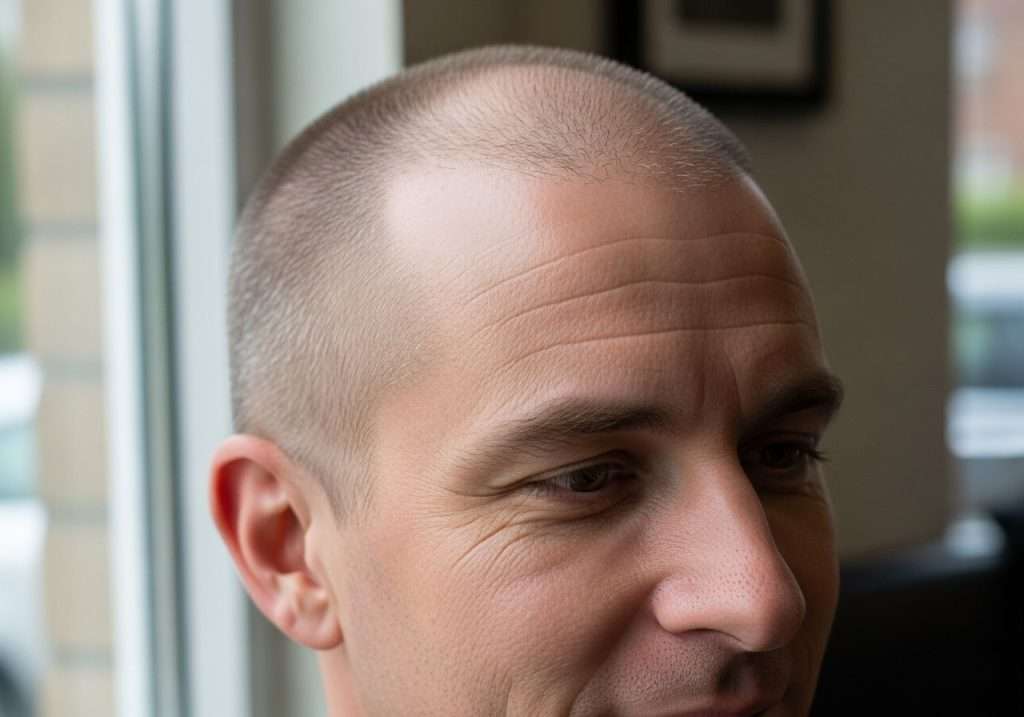
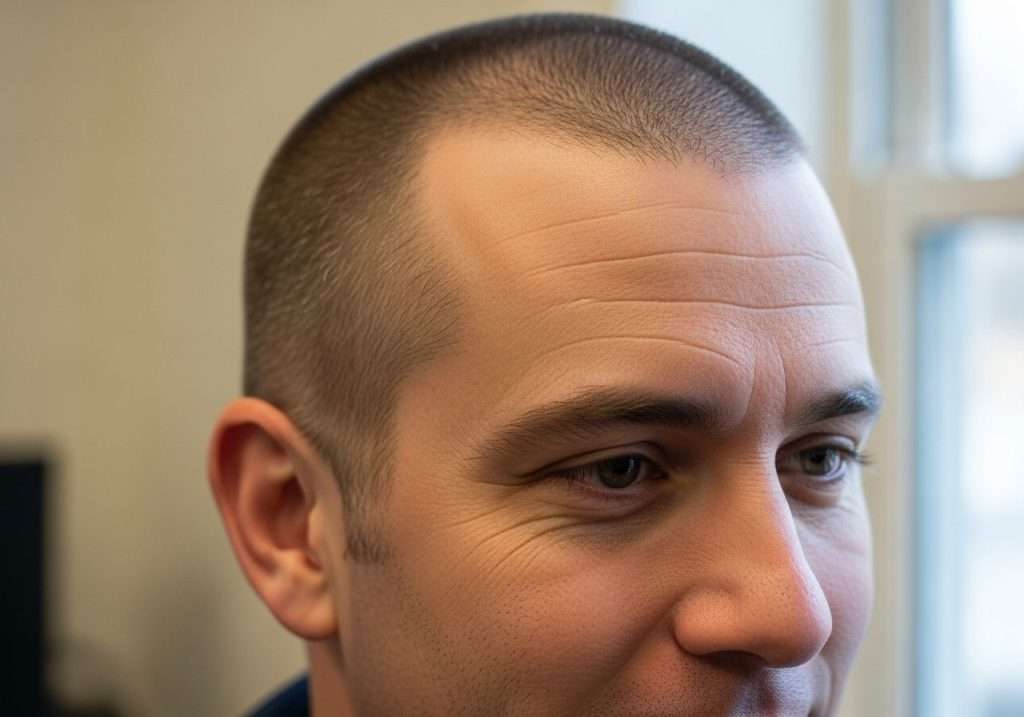
For men managing thinning areas without shaving down, the dots need to integrate with existing hair strands. A well-executed blonde scalp treatment makes the added density feel like a natural extension of what is already there — not a contrast layer placed on top.
Technique adjustments that make the difference
Beyond pigment, my needle technique and dot sizing also shift when working with fair hair. Smaller, softer dot placements are generally more appropriate for blonde clients because larger impressions would draw too much contrast against a lighter scalp. The spacing between each impression also plays a role — tighter clustering in thinning zones must be managed carefully to avoid patches that look too uniform or artificial.
Layering is another key element of a successful blonde scalp treatment. Rather than loading density into a single session, I build it gradually across multiple visits. This allows me to assess how the pigment is settling against each client’s unique skin tone and hair colour before committing to a final density level.
Clients with lighter hair tend to achieve the most natural results when the SMP work is subtle enough that others cannot immediately identify what has changed — they simply notice the hair looks fuller. That is the benchmark I work toward with every session. Some clients have described it as a hair tattoo that nobody could detect on closer inspection, which is exactly the outcome I aim for.
What to expect as a blonde SMP client
If you are considering SMP density for blonde hair, it helps to come in with realistic, informed expectations. The results will not produce the same dramatic contrast that darker-haired clients often see in before-and-after comparisons. What you will see is a fuller, more confident appearance where thinning areas no longer draw the eye.
Light hair micropigmentation density work typically requires more sessions than darker hair cases to build the result gradually and accurately. I recommend planning for at least three sessions, with assessment periods between each to evaluate how the pigment has healed and settled into the skin.
At Scalp And Brows NJ, I take time with every consultation to map out a customised plan based on your hair shade, scalp tone, and the degree of thinning you are experiencing. Blonde hair clients have distinct needs, and those needs deserve a practitioner who understands them completely.
Frequently Asked Questions
Is SMP density effective for men with very light or platinum blonde hair?
Yes, SMP density for blonde hair can work well even for very light shades, but it requires more careful pigment selection and a lighter touch. The result focuses on subtle depth rather than high contrast, and multiple sessions allow for gradual, natural-looking density that complements platinum or near-white hair tones.
How do you choose the right pigment for a blonde scalp treatment?
Pigment selection for a blonde scalp treatment involves custom mixing to match the cool or warm undertones in your specific hair colour. I assess your hair shade, scalp tone, and how existing follicles read visually before selecting a blend. The aim is seamless integration rather than a noticeable contrast between pigment and surrounding hair.
Will the SMP pigment look too dark against my blonde hair over time?
With the correct pigment formulation, this risk is significantly reduced. I select pigments that age predictably without shifting to unwanted warm or dark tones. Touch-up sessions also allow for adjustments as needed. Proper aftercare and sun protection further help maintain the original balance between pigment and your natural blonde hair colour.
How many SMP sessions will I need for light hair micropigmentation density results?
Most blonde clients require at least three sessions to achieve satisfying light hair micropigmentation density results. Because pigment is built gradually, each session informs the next. This careful layered approach ensures the final result looks natural and appropriately subtle rather than overdone, which is especially important for fair hair types.
Does the hair tattoo effect look natural on blonde men who are not shaving their heads?
Absolutely. For men keeping their hair at a longer length, the SMP dots are designed to blend into thinning areas and create the impression of fuller coverage rather than a defined stubble look. With precise pigment placement and careful dot sizing, the result integrates naturally with existing blonde hair without appearing artificial or mismatched.