You’ve got a transplant scar you’d rather not explain every time you sit in the barber’s chair. You’ve heard SMP can conceal it, but you want to know what people actually think after it’s done — not the sales pitch, the real experience. This article pulls together consistent themes from verified client feedback so you can walk into a consultation with accurate expectations.
1. Most clients report feeling genuinely free to cut their hair short again
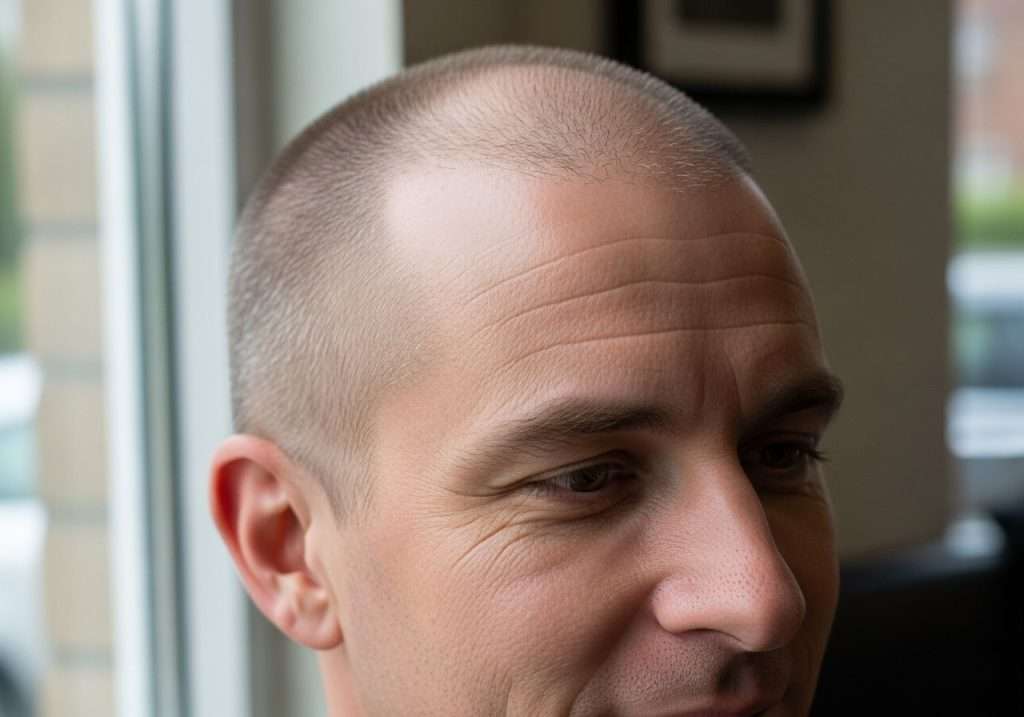
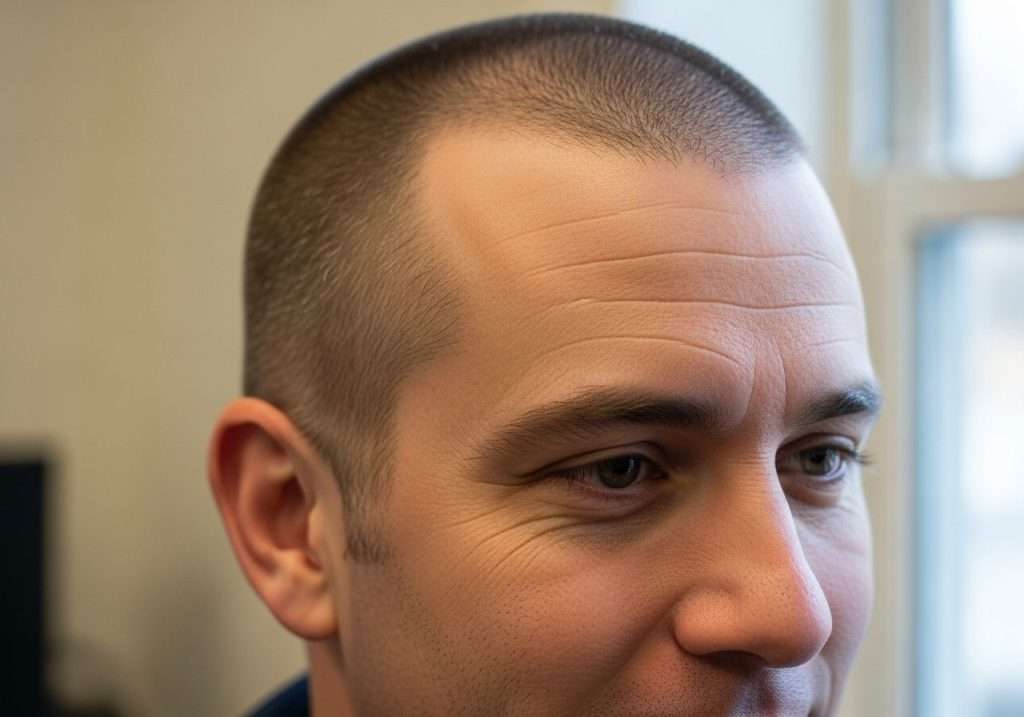
The single most repeated theme across SMP scar camouflage reviews is the return of choice. FUT strip scars force many men into longer styles simply to keep the scar hidden. After SMP, clients consistently describe going back to a grade 1 or grade 2 cut without anxiety.
That shift is significant. It’s not just cosmetic — it’s behavioural. Clients stop planning haircuts around concealment and start choosing what they actually want. That sense of freedom comes up again and again, and it’s one of the most reliable patterns in the feedback I receive.
2. Satisfaction is highest when expectations are calibrated correctly before treatment
SMP scar camouflage is not a complete erasure. The most satisfied clients are those who came in understanding that realistic best-case results land around 85% coverage on flat, fully healed scars with consistent skin texture and colour. Clients who understood that going in tend to describe the outcome as exceeding what they hoped for.
Clients who expected total invisibility occasionally feel underwhelmed, even when the technical result is excellent. Scar tissue is unpredictable: it holds pigment differently from healthy scalp skin, and that variability is something any honest practitioner will tell you upfront. Before and after scar SMP results are striking, but they reflect meaningful improvement rather than perfection.
3. FUE dot scars receive the most enthusiastic before and after feedback
Of the four scar types — FUT strip, FUE dot, scalp reduction, and plug scars — FUE dot scars consistently generate the most positive before and after scar SMP responses. The small, circular shape blends exceptionally well with replicated follicle dots, and clients often struggle to locate treated areas in their own photos after healing.
FUT strip scars are the most common type I work on, and results there are still highly regarded. The geometry of a linear scar is simply more challenging than a cluster of dots, and managing that difference in complexity is part of setting the right expectation from session one.
4. Transplant scar SMP results improve further after the second session
A recurring observation in transplant scar SMP results feedback is that the first session can feel underwhelming, while the second is where confidence builds. This is normal and expected. Scar tissue requires a layered approach: pigment is built up gradually rather than loaded in one sitting, to avoid trauma to already-compromised skin.
Clients who understood this in advance reported a smoother emotional journey through the process. Those who weren’t told to expect a staged outcome sometimes panicked unnecessarily after session one. Two to three sessions is standard for scar work, and the patience between them is rewarded in the final result.
5. Trust in the practitioner’s experience is the factor clients mention most when recommending SMP
When clients recommend SMP scar camouflage to others, the most common reason they give isn’t the outcome alone: it’s the confidence they felt in their practitioner’s specific experience with scar tissue. Scar camouflage is a technically demanding application that requires a different skill set and a different read of the skin than standard SMP density work.
Clients notice when a practitioner has clearly done this many times before. They notice the questions asked during consultation, the honesty about what’s achievable, and the ability to explain why scar tissue behaves the way it does. That trust, built before a single needle touches skin, is what drives the referrals I see most consistently.
The pattern across verified client feedback is clear: SMP scar camouflage delivers meaningful, life-improving results when the right technique meets the right expectations. Flat, healed scars on clients who understand the process tend to produce the most satisfied outcomes and the most enthusiastic word-of-mouth.
Frequently Asked Questions
What do SMP scar camouflage reviews say about pain during treatment?
Most clients describe scar treatment as mildly uncomfortable rather than painful, particularly over healed scar tissue, which often has reduced nerve sensitivity. Topical numbing is applied beforehand. The general consensus in client feedback is that the discomfort is entirely manageable and far less than anticipated going in.
How long does it take to see the final result from transplant scar SMP?
Transplant scar SMP results are fully visible around four to six weeks after the final session, once healing is complete and pigment has settled. Most clients require two to three sessions spaced several weeks apart. The colour softens slightly during healing, so the finished result looks more natural than the immediate post-treatment appearance.
Is SMP scar camouflage suitable for all types of hair transplant scars?
SMP works on FUT strip scars, FUE dot scars, scalp reduction scars, and plug scars. FUE dot scars tend to respond most predictably. Best results occur on flat, fully healed scars with consistent skin texture. Raised, indented, or freshly healed scars are not suitable candidates until the tissue has fully stabilised.
What percentage of coverage can clients realistically expect from scar SMP?
Realistic best-case coverage for SMP scar camouflage is around 85% on ideal candidates: flat, fully healed scars with even colour and texture. Scar tissue holds pigment unpredictably, so complete invisibility is not a realistic expectation. Clients who understand this before treatment consistently report higher satisfaction with their before and after scar SMP outcomes.
How do I know if a practitioner is experienced enough to perform SMP scar camouflage?
Look for a practitioner who asks detailed questions about your scar’s age, texture, and origin, and who discusses realistic limitations honestly during consultation. Scar camouflage requires specific experience beyond standard SMP. Ask to see before and after scar SMP examples from their own clients, and verify any professional certifications they hold in micropigmentation.