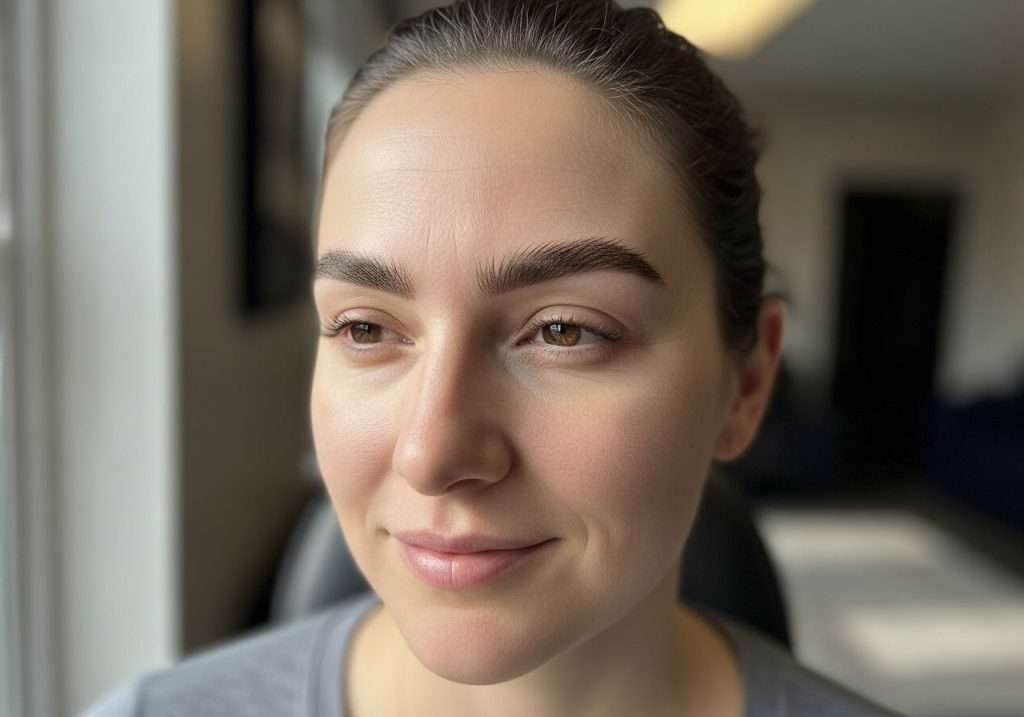
One of the most common questions I hear from clients is simple: what will my brows actually look like? Seeing real microblading before and after photos is one of the most honest ways to answer that. Here, I want to walk you through what genuine transformations look like, how results develop over time, and what influences the final outcome.
What real microblading results look like
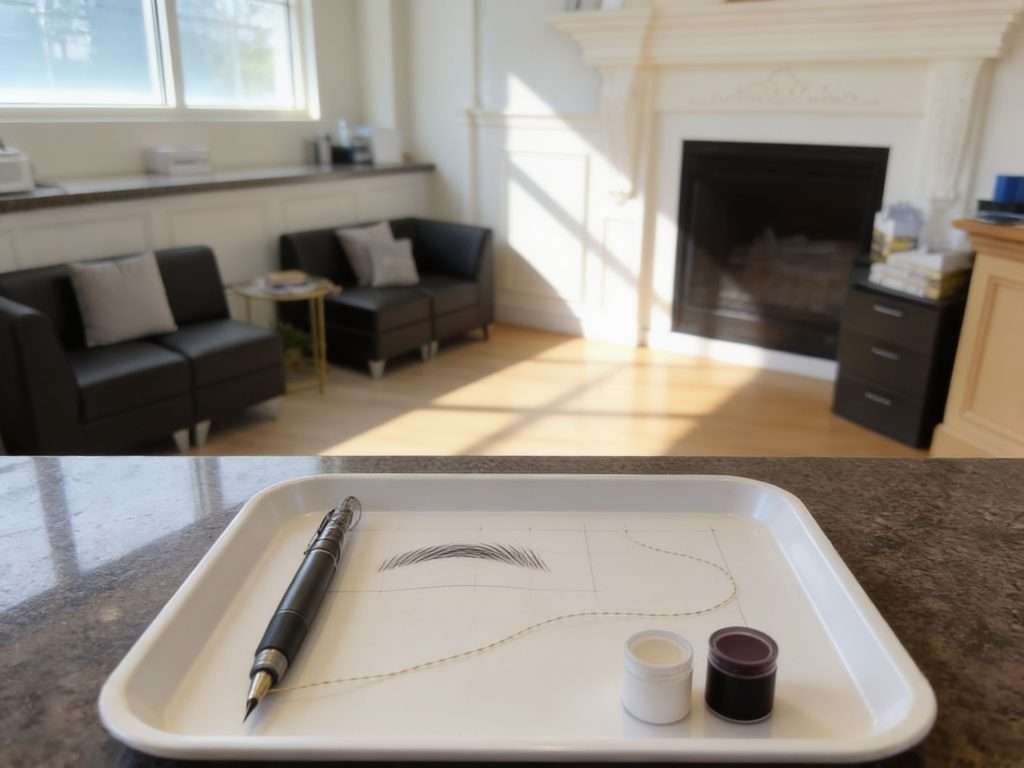
Microblading creates fine, hair-like strokes by manually depositing pigment into the upper layers of the skin using a handheld blade — not a machine. The result is a more defined, natural-looking brow that fills in sparse areas or reshapes uneven arches.
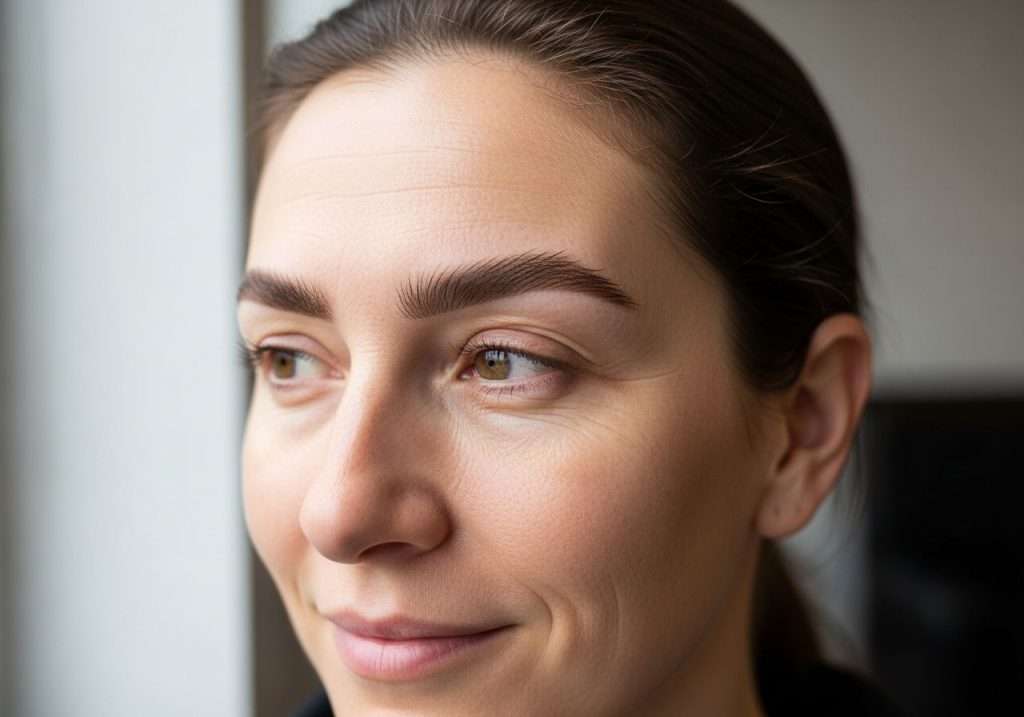
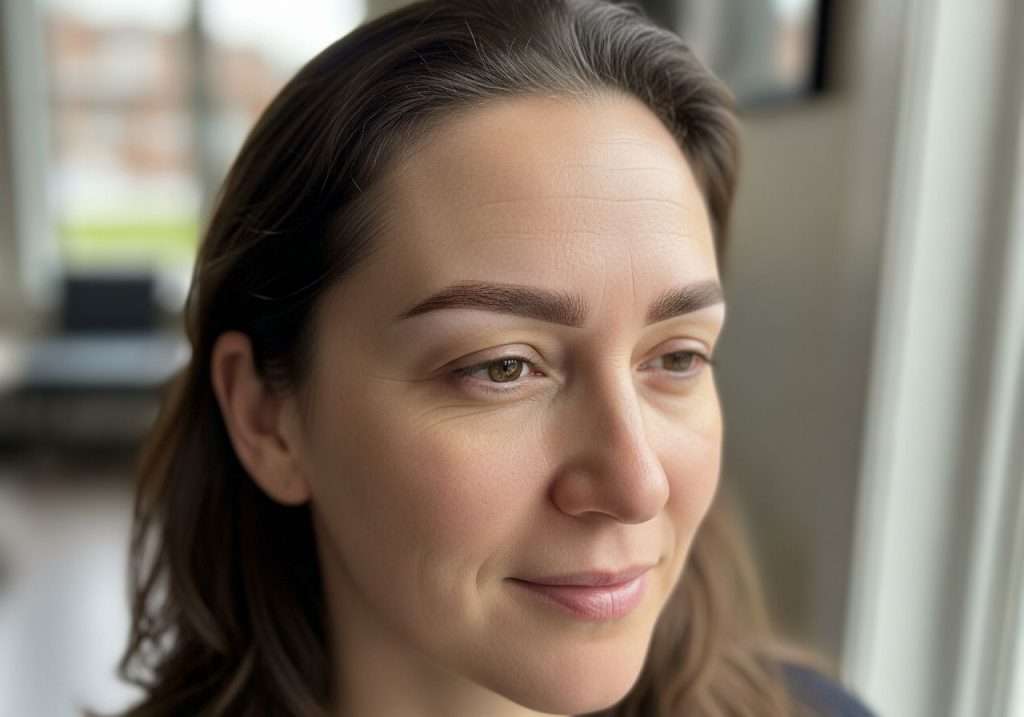
The microblading transformation clients experience most often is going from thin, patchy brows to a fuller, more symmetrical shape. Before photos typically show gaps, missing tails, or brows that have been over-tweezed for years. After photos — taken once healing is complete — show crisp, well-defined strokes that mimic natural brow hairs.
It is worth noting that microblading results look their most intense in the first few days. Do not judge your outcome at day two. The real result reveals itself over four to six weeks once the skin has fully healed.
The healing process and how your results develop
Healing is a stage most people underestimate, and it plays a significant role in what your final brows look like. In the first week, the brows will appear darker and more defined than the healed result. Some flaking and light scabbing is normal — this is how the skin responds to the pigment deposit.
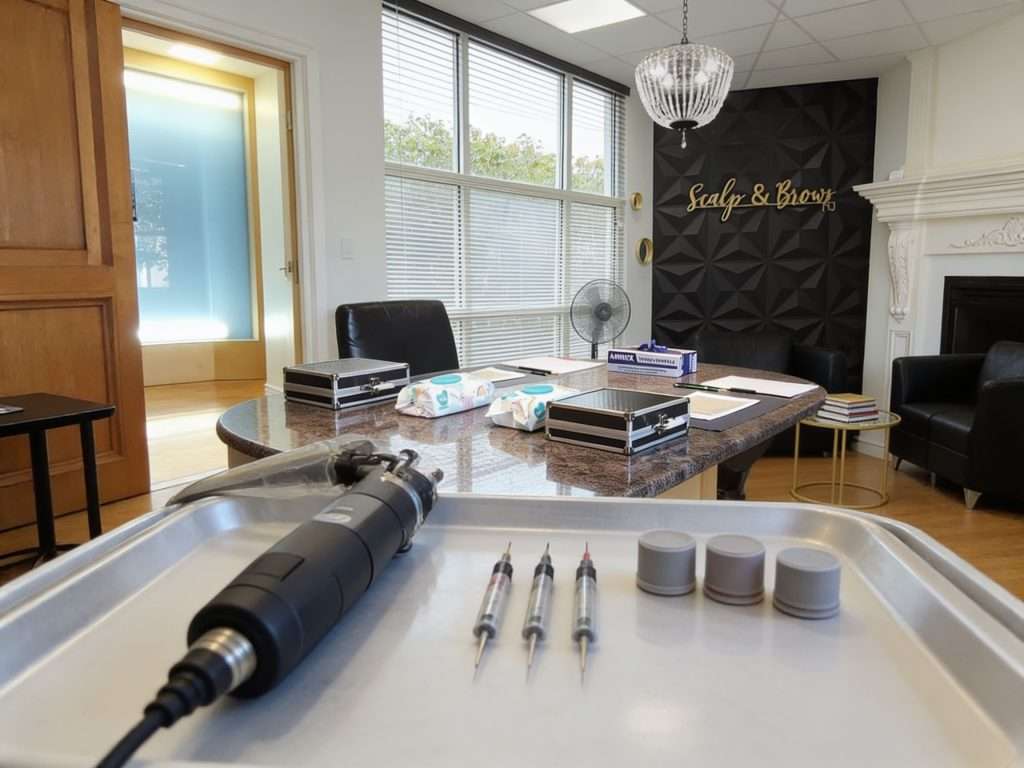
Because microblading uses a manual blade rather than a digital device, there can be slightly more skin trauma compared to machine techniques like nano brows. This means a little more scabbing is possible, particularly for clients with sensitive skin. Picking at scabs can pull pigment out and affect the evenness of your microblading results, so leaving the skin to heal naturally is essential.
Around weeks two and three, the brows may look lighter or patchy — this is completely normal and often referred to as the ghost stage. Pigment is settling beneath the skin and the full colour will gradually return. By week six, you will see the true healed result, and that is when a touch-up appointment is used to refine any areas that need attention.
Factors that shape your microblading transformation
Not every client heals the same way, and several factors influence how your brows look once fully healed. Skin type is one of the biggest variables I consider during consultations. Microblading is best suited to normal or dry skin. If you have oilier skin, the strokes may appear softer or fade more quickly, because excess sebum can cause pigment to blur over time.
Sun exposure, skincare products containing acids or retinols, and how well you follow aftercare instructions also affect the longevity and clarity of your microblading results. Clients who protect their brows from direct sun and avoid harsh products consistently see better retention and a cleaner microblading transformation over time.
Your natural brow hair plays a role too. Clients with some existing hair tend to see a result that blends beautifully with the strokes. Those with very little hair can still achieve a great outcome — the strokes simply need to do more of the work, and careful placement during the session matters even more.
Frequently Asked Questions
When is the best time to take before and after microblading photos?
Before photos should be taken without any brow makeup, in natural light, to show the true starting point. After photos are best taken at six weeks post-procedure, once healing is fully complete. This gives an accurate representation of your healed microblading results rather than the darker immediate outcome.
How long do microblading results typically last?
Most clients see their microblading results last between one and two years, depending on skin type, lifestyle, and aftercare habits. Oilier skin types may notice fading sooner. Annual or biannual colour refreshes help maintain the definition and keep the microblading transformation looking its best over time.
Is the before and after result different for oily skin types?
Yes, oily skin can cause the hair-like strokes to appear softer or less defined once healed compared to dry or normal skin. The pigment may also fade faster. During your consultation at Scalp And Brows NJ, I will assess your skin type and advise whether microblading or an alternative technique is the better fit.
What is the ghost stage and should I be concerned about it?
The ghost stage occurs around weeks two to three of healing, when brows appear lighter or patchy. This is a normal part of how pigment settles beneath the skin. It does not mean your microblading transformation has failed. Colour returns as healing progresses, and the true result is visible by week six.
How many sessions does it take to achieve the final result?
Most clients need two sessions to achieve their desired microblading outcome. The first session creates the foundational strokes, and the follow-up touch-up at six to eight weeks refines colour, fills any areas where pigment did not retain, and perfects the overall shape for a polished, even result.