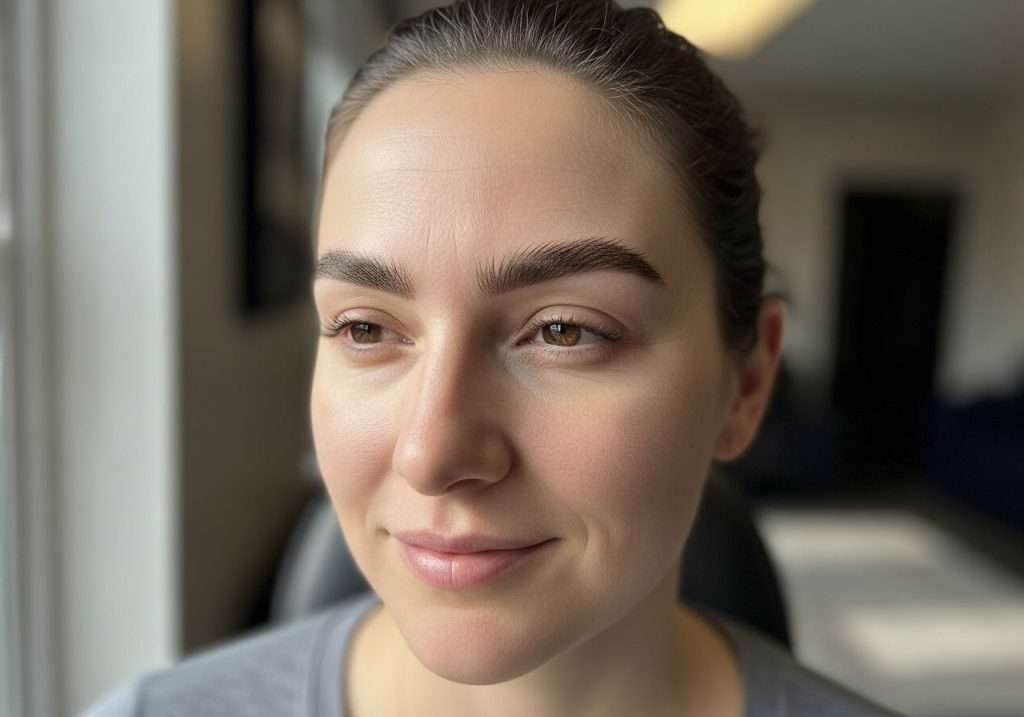
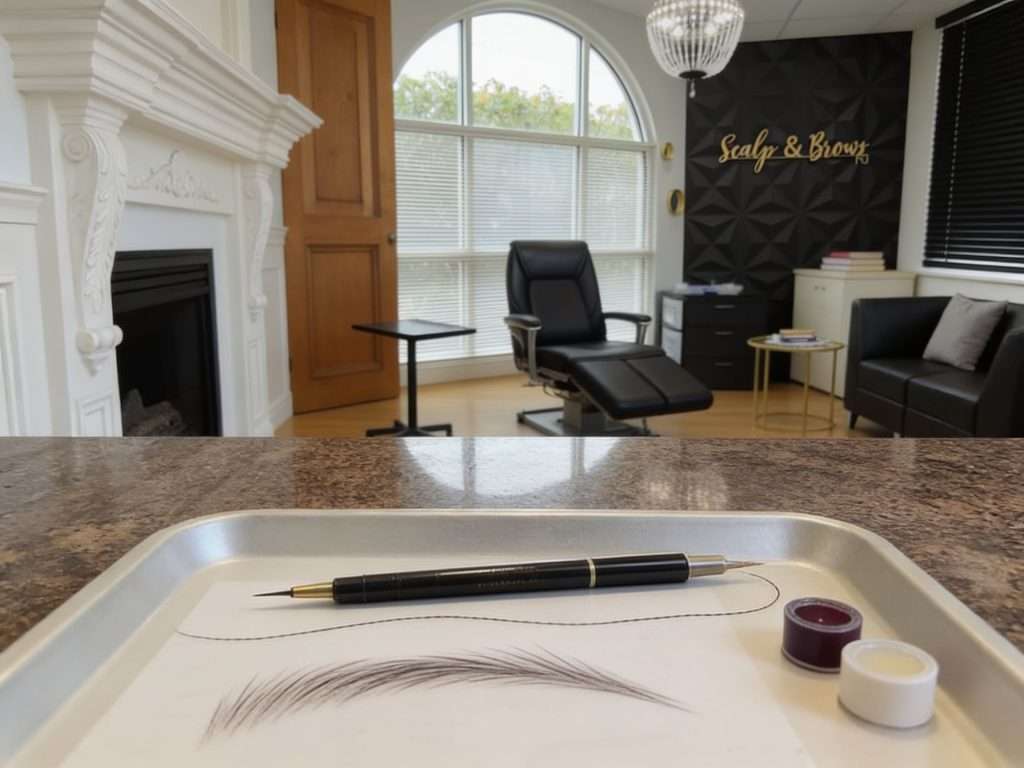
You’re researching microblading and everything looks polished on the surface: the before-and-afters, the studio aesthetic, the price point. But here’s the question most people don’t think to ask: what’s actually in the artist’s hand, and does it matter? It does. The tool, the blade configuration, and the quality of the equipment directly shape whether your strokes look crisp and natural or blurred and patchy.
What a microblading tool actually is
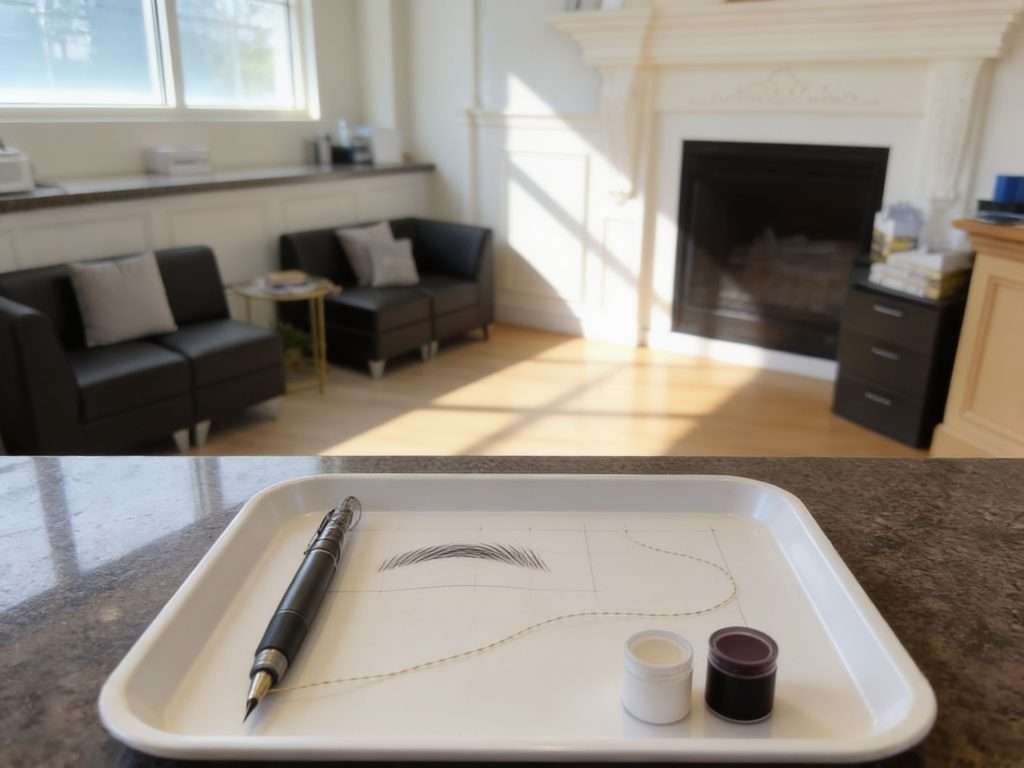
A microblading tool is a handheld manual device, not a machine. There’s no motor, no vibration, no digital component. The artist holds a small handle and uses a fine blade attached to the tip to create tiny incisions in the upper layers of the skin, depositing pigment as they go. Each stroke is drawn by hand, which is why the skill, pressure, and angle of the artist matter enormously.
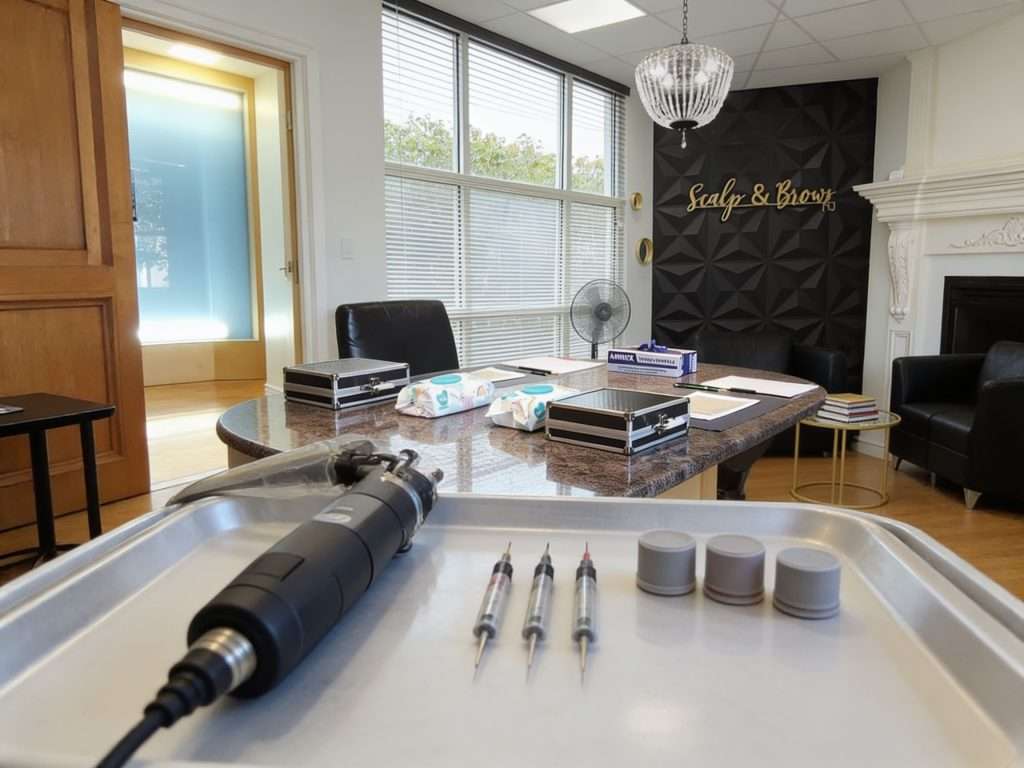
This is fundamentally different from nano brows, which use a digital machine to create hair-stroke patterns. With microblading, every single line is a manual cut. That distinction affects healing, skin trauma, and how long the results last: particularly on oily skin, where machine hair strokes often hold better definition over time.
The handle itself can be metal or plastic, weighted or lightweight. Experienced artists tend to have strong preferences here, because the balance of the tool affects control during long sessions.
Blade configurations and what they do
The blade is where the real technical variation lives. Microblading blade types are identified by the number of needles in the configuration and how they’re arranged. Common configurations include 7-pin, 9-pin, 12-pin, 14-pin, and 18-pin blades, as well as U-shaped, slanted, and curved arrangements.
A finer blade with fewer pins creates thinner, more precise strokes: ideal for sparse brows where you want delicate, hair-like results. A wider blade covers more surface area and suits clients who want fuller, denser fills. The curvature of the blade also matters; a curved or slanted blade follows the natural arc of a brow stroke more smoothly than a flat configuration.
No single blade type is universally correct. A skilled artist selects the configuration based on your brow density, skin type, and the look you’re after. If an artist uses the same blade on every client regardless of those factors, that’s worth noting.
Disposable versus reusable components
In professional microblading practice, blades must be single-use and disposable. Every client gets a sterile, sealed blade that is opened in front of them and disposed of immediately after the session. This is non-negotiable from both a safety and a regulatory standpoint.
The handle can be reusable provided it is properly sterilised between clients: autoclaved or thoroughly disinfected using hospital-grade protocols. Some artists prefer fully disposable handle-and-blade units for simplicity and additional peace of mind. Neither approach is inherently superior, as long as sterilisation standards are met without exception.
As someone with fifteen years of experience in body art and certified in bloodborne pathogen and infection control, I treat this aspect of microblading equipment as seriously as the artistic side. A sterile blade and a clean working environment aren’t extras: they’re the baseline.
Why equipment quality shows up in your results
Low-quality blades flex inconsistently under pressure, which causes uneven pigment deposit and ragged stroke edges. Better-quality blades hold their tension, give the artist predictable feedback through the handle, and create cleaner incisions that heal with sharper definition.
Pigment quality is the other half of the equation. Even a perfectly executed stroke with a well-configured blade will fade poorly or shift in tone if the pigment formula is inferior. Professional-grade pigments are designed to retain colour stability as they break down in the skin, rather than shifting towards grey or red over time.
For clients with normal to dry skin, well-chosen equipment combined with proper technique delivers strokes that stay crisp through the healing process. On oilier skin types, even the best blade and pigment combination may see some softening of strokes: worth discussing honestly before any session begins, rather than after.
When you’re evaluating an artist, it’s entirely reasonable to ask what blade configurations they use, which pigment brand they work with, and how they handle sterilisation. A confident, experienced artist will welcome those questions. The answers tell you a great deal about how seriously they take the craft.
Frequently Asked Questions
What is a microblading tool and how does it differ from a tattoo machine?
A microblading tool is a handheld manual device with a fine blade at the tip, used to create hair-like strokes by depositing pigment into the upper skin layers. Unlike a tattoo machine, it has no motor or digital component. Every stroke is drawn by hand, which requires significant skill and consistent pressure control from the artist.
What microblading blade types are there and which is best for my brows?
Common blade configurations include 7-pin, 9-pin, 12-pin, 14-pin, and 18-pin options, available in flat, curved, U-shaped, or slanted arrangements. Finer blades create delicate, narrow strokes suited to sparse brows; wider blades deliver fuller coverage. The right choice depends on your skin type, natural brow density, and the look you want to achieve.
Should microblading blades be single-use or reusable?
Microblading blades must always be single-use and sterile. Each client receives a sealed, unopened blade that should be disposed of immediately after the session. Handles may be reusable if properly sterilised between clients. Any reputable artist will open the blade packaging in front of you: this is a standard safety expectation, not a special request.
Does the quality of microblading equipment affect how long results last?
Yes, directly. Low-quality blades flex unpredictably, causing uneven pigment deposit and strokes that heal with blurred edges. Professional-grade blades hold consistent tension for cleaner incisions. Paired with quality pigments that maintain colour stability as they break down, good microblading equipment produces results that stay defined significantly longer than budget alternatives.
Is microblading suitable for oily skin?
Microblading is best suited to normal or dry skin. On oilier skin types, sebum can cause pigment to blur beneath the surface and strokes to lose definition faster. A machine-based technique such as nano brows may hold better results on oily skin. A thorough skin assessment before committing to any technique is strongly recommended.