You’ve done the research, you’re sold on the idea, and now you want a straight answer on longevity before you commit. Nano brows last between two and three years for most people, putting them well ahead of microblading. What you do before, during, and after healing shapes exactly where in that range you’ll land.
The honest lifespan of nano brows
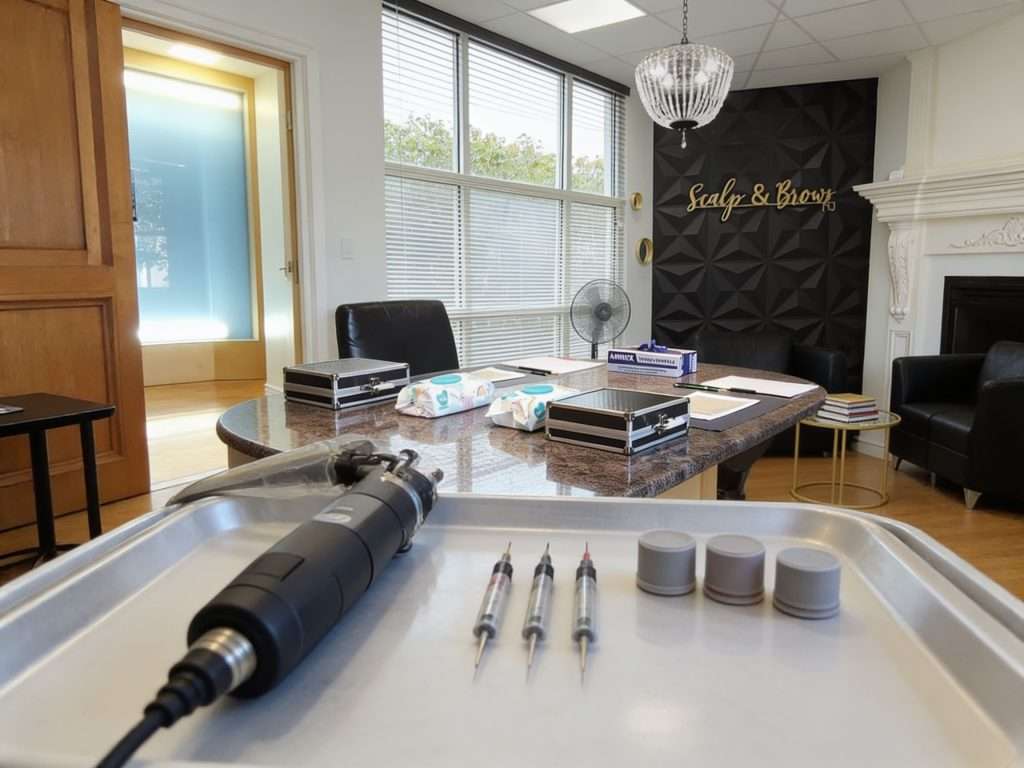
Two to three years is the realistic window for nano brows, and it puts them well ahead of microblading, which typically fades within 12 to 18 months. The reason is technique: a digital PMU machine with an ultra-fine single needle deposits pigment at a shallower, more controlled depth than a manual blade, causing less trauma to the skin and allowing the colour to settle more evenly.
Less trauma means the skin heals with minimal distortion to those hair-like strokes. The pigment beds down rather than disperses, which is why the results hold their shape and definition for longer. You’re not just getting a prettier brow; you’re getting one that stays that way for a meaningful stretch of time.
That said, two to three years is a range, not a guarantee. Where you land within it depends heavily on factors you can actually influence, and a few you can’t.
What speeds up nano brows fading
Skin type is the single biggest variable in nano brows longevity. If your skin is oily, your pores are naturally more active, and that activity gradually pushes pigment towards the surface. You’ll still get better retention than you would with microblading, but expect to sit closer to the two-year end of the range rather than three.
Sun exposure is a close second. UV light breaks down pigment faster than almost anything else. If you’re outdoors regularly without SPF on your brows, you’ll notice nano brows fading sooner and the colour shifting warmer or lighter before its time. A broad-spectrum SPF 30 or higher applied daily to the brow area is one of the simplest ways to protect your results.
Skincare habits matter too. Exfoliating acids such as AHAs, BHAs, and retinol accelerate cell turnover, which means pigment exits the skin faster. Keeping those products away from the brow zone extends your results considerably. The same applies to frequent swimming in chlorinated water, which is mildly corrosive to cosmetic pigments over time.
Finally, your immune response plays a role. Some people metabolise pigment quickly as a natural biological process. There’s no way to predict this in advance, but it does explain why two clients with identical skin types and aftercare routines can see different fading timelines.
Reading your brows: what normal fading looks like
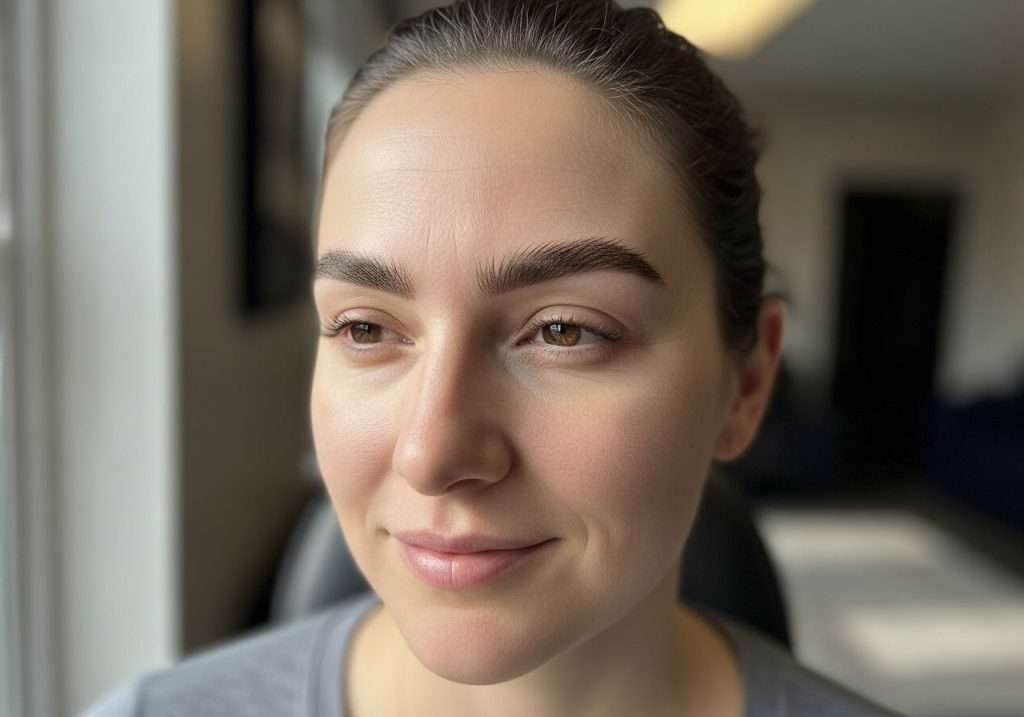
In the first few weeks after your appointment, your brows will go through a predictable cycle. They’ll appear bold and sharp immediately after the session, then scab lightly, then seem to disappear almost entirely during the healing phase. Don’t panic. The pigment is settling beneath the surface, and your true healed result emerges around four to six weeks in.
Over the following months, nano brows fading is gradual and even. The strokes soften rather than patching out unevenly, which is one of the advantages of the needle technique over a manual blade. You’ll notice the colour lightening slowly over one to two years before the definition begins to soften noticeably.
A colour boost appointment at the 12 to 18-month mark is common for clients who want to keep results looking fresh. This isn’t a full redo: it’s a lighter session that refreshes pigment saturation and sharpens any strokes that have softened. Think of it the way you’d think about a root touch-up for your hair colour, maintenance rather than a reset.
Making your results last as long as possible
The aftercare window immediately following your appointment is when you have the most influence over nano brows longevity. Keep the area dry for the first ten days. Avoid sweating heavily, avoid direct water pressure on the brows, and resist the urge to pick any flaking skin. What lifts off during healing takes pigment with it if you force it.
Once healed, the long-term habits are straightforward. Daily SPF on the brow area, keeping retinol and exfoliating acids away from the zone, and staying well hydrated all contribute to slower fading. Moisturised, healthy skin holds pigment better than dry or sun-damaged skin.
It’s also worth understanding how nano brows sit within the broader landscape of semi-permanent brow techniques. Compared to powder brows, which give a soft filled-in look, or ombré brows, which blend from light to dark, nano brows produce the most natural hair-like finish. Each technique carries a different longevity profile and maintenance schedule, so your choice of style shapes your long-term commitment as much as anything else.
When the time does come for a touch-up, a well-healed set of nano brows is straightforward to refresh. The strokes haven’t migrated or blurred significantly, so your artist is working with a clean canvas rather than correcting distortion. That’s one of the quieter advantages of choosing a lower-trauma technique from the start.
Frequently Asked Questions
How long do nano brows last compared to microblading?
Nano brows typically last two to three years, compared to roughly 12 to 18 months for microblading. The difference comes down to technique: a digital PMU machine causes less skin trauma and deposits pigment more consistently, which means better retention and a longer-lasting result overall.
Does oily skin affect nano brows longevity?
Yes, oily skin does shorten the lifespan slightly. Active pores push pigment towards the surface over time, which accelerates nano brows fading. You’ll likely land at the two-year end of the range rather than three. The good news is that nano brows retain far better on oily skin than microblading does.
When should I book a touch-up for nano brows?
Most clients book a colour boost at the 12 to 18-month mark to keep results looking sharp and saturated. This is a lighter maintenance session, not a full redo. Your actual refresh timeline depends on your fading rate, but softening strokes or noticeably lighter colour are reliable cues to rebook.
Can skincare products make nano brows fade faster?
Yes. Exfoliating acids such as AHAs and BHAs, retinol, and similar cell-turnover ingredients all accelerate pigment loss by speeding up skin shedding. Keeping those products away from the brow area is one of the most effective things you can do to extend nano brows longevity after your appointment has healed.
What does the nano brows fading process actually look like?
Fading is gradual and even. The hair-like strokes soften in definition and the colour lightens slowly over one to two years, rather than patching out unevenly. In the first few weeks after the initial appointment, the brows go through a healing cycle that can look like near-disappearance before the true result settles at around four to six weeks.