You’ve done the research, watched the videos, and you’re seriously considering SMP. Now you’re wondering what actually happens when you sit down for that first appointment and whether it’s more than just a chat. This article walks you through exactly what a thorough scalp micropigmentation consultation involves, what gets assessed, and what you should ask before a single needle touches your scalp.
What a practitioner is actually evaluating during your consultation
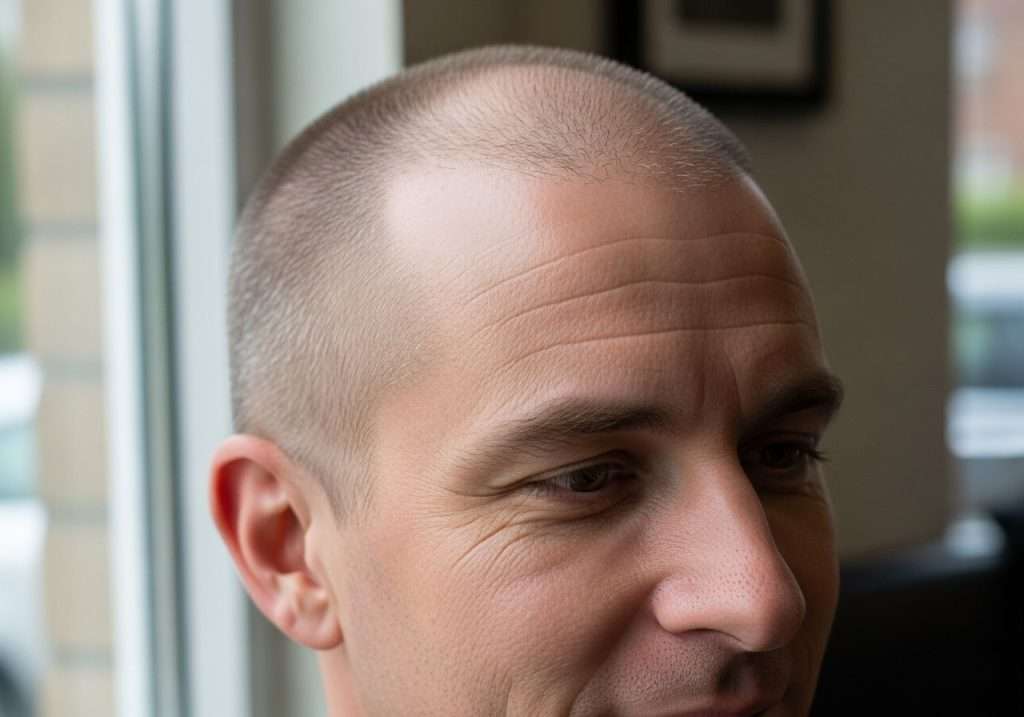
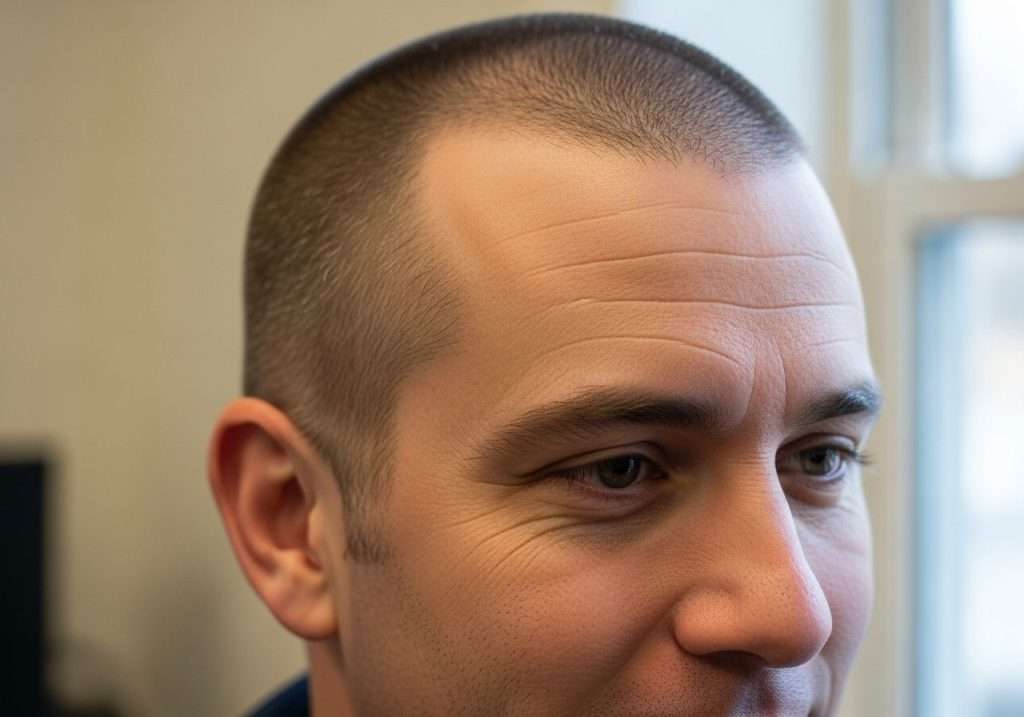
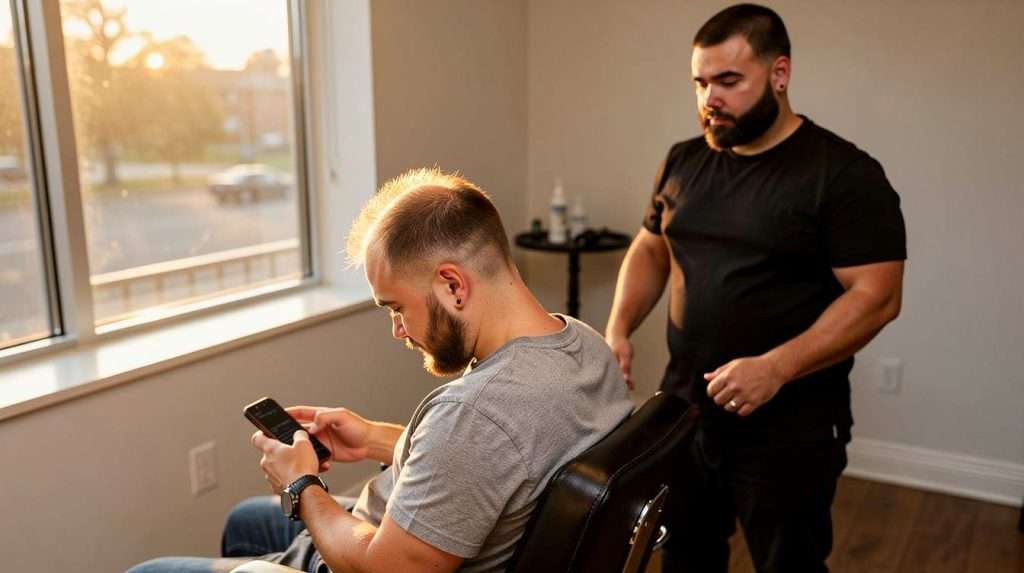
A quality SMP consultation is a clinical assessment, not a sales pitch. From the moment you sit down, I’m looking at your scalp with the same eye I trained over fifteen years of barbering: skin tone, texture, pore size, and how your existing hair sits. These details shape every decision about pigment depth, needle configuration, and dot placement.
Scalp condition matters more than most people realise. Oily skin, very tight pores, or previous sun damage all affect how pigment settles and retains. If your scalp has had any previous cosmetic work, including older hair tattoo procedures done elsewhere, that changes the approach significantly. I need to see what I’m working with in natural light, not just under a phone torch in a bathroom mirror.
Hairline design is assessed carefully at this stage too. The hairline needs to be age-appropriate, proportional to your face shape, and subtle enough to read as real at any distance. I’ll take measurements, hold reference points to your forehead, and we’ll discuss the exact shape together. Nothing is drawn on permanently until you’ve agreed to it at a later session.
The questions worth asking before you commit
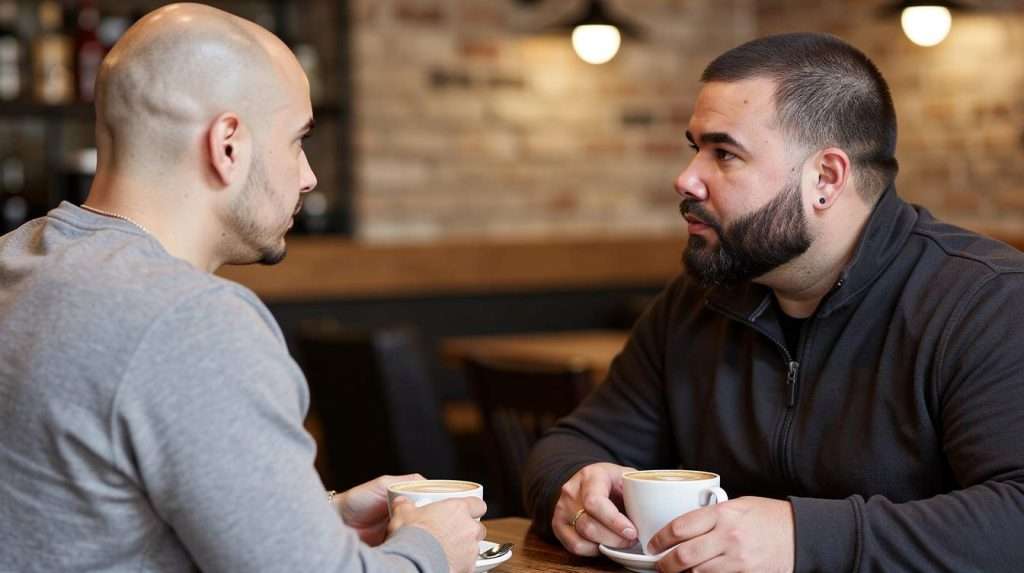
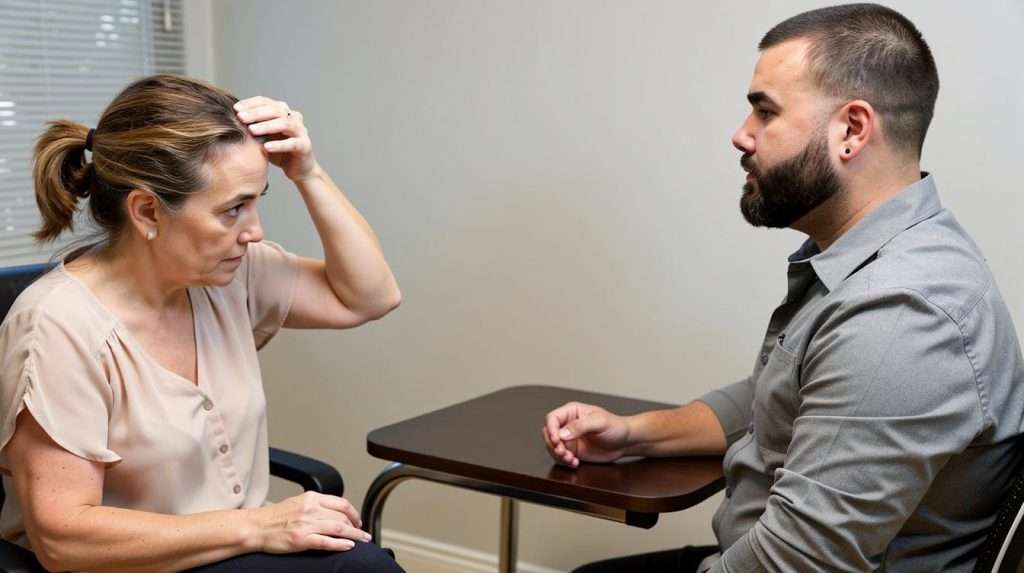
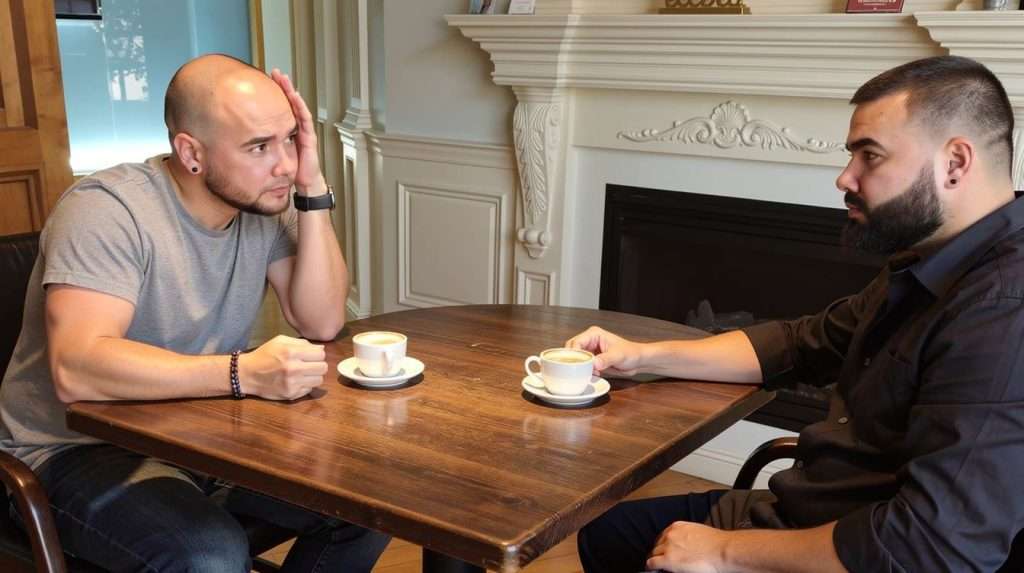
A consultation is a two-way conversation. You should leave with honest answers, not reassurances. Here are the questions that actually matter at a micropigmentation assessment.
- How many sessions will my scalp likely need, and what’s the realistic interval between them?
- What does the healed result look like compared to the fresh result?
- How does the pigment age over time, and when would a refresh typically be needed?
- What happens if I decide to grow my hair longer at some point?
- Can I see healed examples of work done on a skin tone similar to mine?
Any practitioner worth working with will answer these directly. If you get vague answers about fading or evasiveness about touch-up timelines, that’s a signal worth noting. I hold a Diplomate credential with the American Academy of Micropigmentation and full certification through Beauty Everlasting, so I can speak precisely to what the healed outcome looks like across different skin types.
Ask specifically about pain management too. I hold a certification in pain control for body art professionals, and I’ll walk you through what the session feels like and what can be done to keep you comfortable. For scalp micropigmentation covering the full head, knowing what to expect across a two-to-three hour session matters.
Patch testing and what it tells us
Patch testing isn’t standard practice in every SMP studio, but it’s worth raising at your initial appointment. A small test dot placed discreetly on the scalp can reveal how your skin reacts to the pigment before a full session commits you. For clients with sensitive skin or a history of reactions to cosmetic procedures, this step removes a great deal of uncertainty.
What patch testing also reveals is how your specific skin retains colour. Some scalps hold pigment crisply; others soften the dot within a few weeks. Seeing that result before session one allows me to calibrate the technique, adjusting pigment concentration, implantation depth, or dot placement to get a result that holds well on your skin rather than simply performing well on day one.
The wait between a patch test and your first full session is typically around four weeks. That might feel like a delay, but it’s genuinely useful information that shapes every session that follows.
How to prepare for your consultation
Come with your scalp as it naturally is. Don’t shave that morning if you don’t normally, and avoid heavy moisturisers or scalp treatments in the 24 hours before. I need to see your skin in its usual state, not freshened up for the appointment.
Bring reference photos if you have them. Images of hairlines you admire, examples of SMP work you’ve seen online, or even old photos of your own hairline from earlier years all give us a useful starting point for the design conversation. The more specific you can be about what you want, the more productive the session becomes.
Think about your lifestyle too. How close do you shave daily? Do you spend a lot of time outdoors in strong sunlight? Are you a heavy gym-goer who sweats consistently? All of these affect how pigment behaves long-term and how I’d structure your sessions and aftercare advice. The SMP initial appointment is most productive when you’ve already thought through the practical realities of living with the result.
Frequently Asked Questions
How long does a scalp micropigmentation consultation take?
A thorough SMP consultation typically takes between 45 minutes and an hour. That time covers a full scalp assessment, hairline design discussion, review of your medical history, a walkthrough of the treatment plan, and answers to any questions you have. Rushed consultations that last under 20 minutes rarely give you enough information to make a confident decision.
Is the consultation the same as the first treatment session?
No. A proper scalp micropigmentation consultation is a separate appointment that happens before any pigment is applied. It’s an assessment and planning session. The first treatment session is booked afterwards, once you’ve had time to consider the design and agreed to move forward. Some studios combine them, but separating the two gives you space to think clearly.
What should I bring to my SMP initial appointment?
Bring reference photos of hairlines or SMP results you like, a list of any medications or skin conditions relevant to your scalp, and a clear idea of how short you typically shave. If you’ve had any previous cosmetic work on your scalp, mention it upfront. The more context you provide, the more tailored and useful the micropigmentation assessment will be.
Does a scalp micropigmentation consultation cost anything?
Consultation fees vary by studio. Some practitioners offer them free of charge as part of the booking process; others charge a fee that’s credited against your first session. Either model is reasonable. Be cautious of studios that skip the consultation entirely and go straight to booking a treatment, as a thorough assessment is what separates a precise, personalised result from a generic one.
Can I get an accurate price quote at the consultation?
Yes, a detailed scalp micropigmentation consultation should end with a clear pricing structure. The number of sessions needed, the extent of coverage, and any patch testing requirements all affect the total cost. A practitioner who has assessed your scalp properly should be able to give you a specific figure or a narrow range, not a vague estimate, before you leave the appointment.