You’re thinning on top and you want it fixed, but the choice between scalp micropigmentation and a hair transplant can feel like comparing two completely different worlds. This article breaks down both options across the five factors that actually matter: cost, downtime, longevity, realism, and who each one suits. By the end, you will know which direction makes sense for where you are right now.
1. They solve the problem in fundamentally different ways
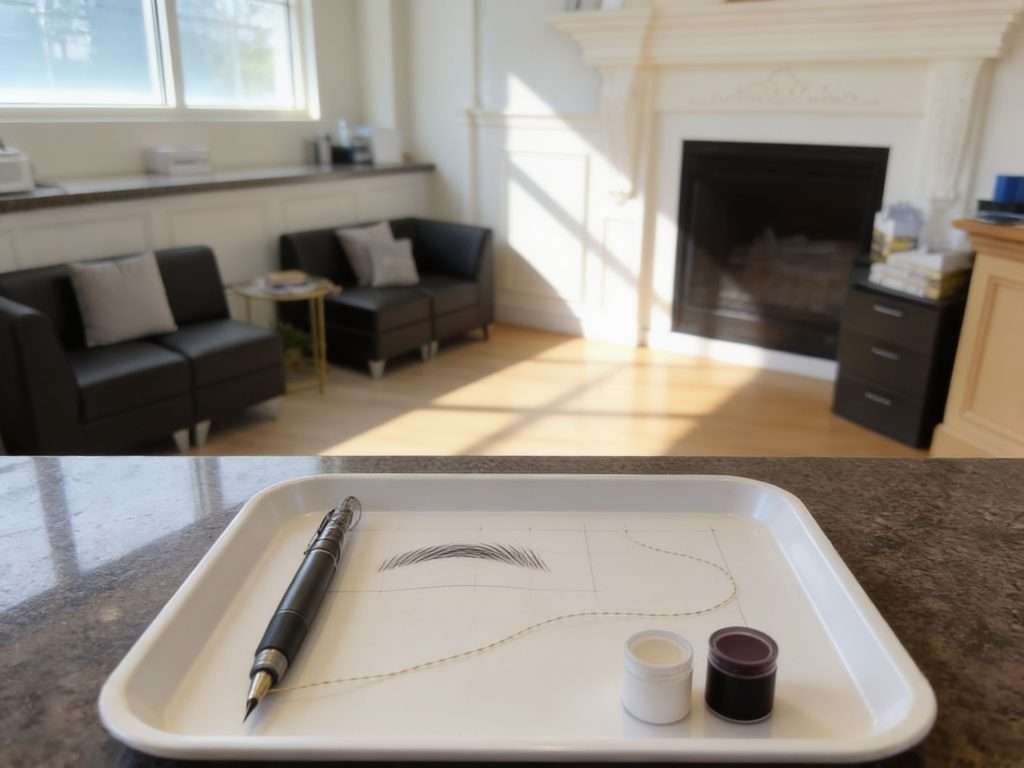
A hair transplant physically moves living follicles, usually from the back of your scalp, into thinning or bald areas. It restores actual hair growth. SMP, by contrast, deposits medical-grade pigment into the scalp in a stippling pattern that replicates the look of hair follicles. It does not stimulate regrowth or affect your existing follicles in any way.
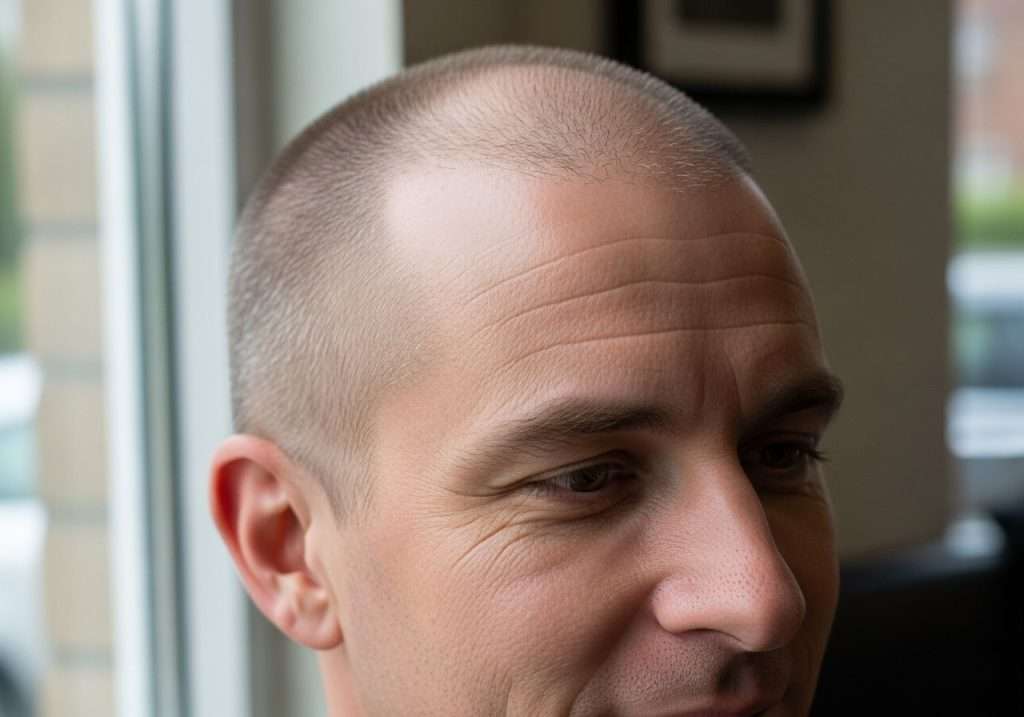
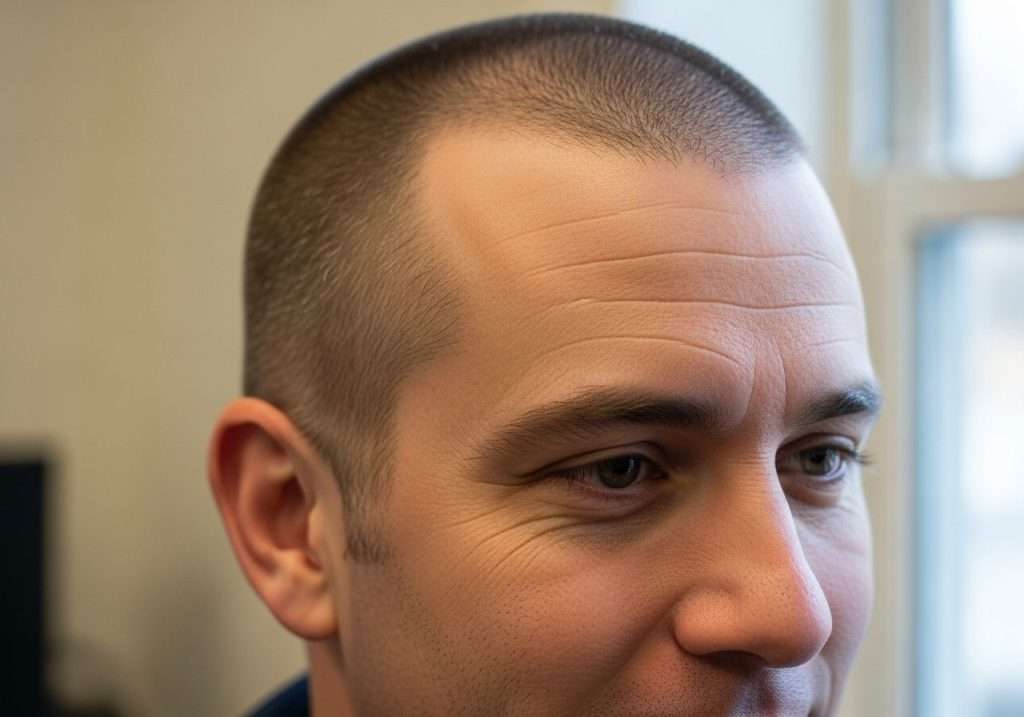
What SMP does exceptionally well is reduce the visible contrast between your scalp and your hair. For men with diffuse thinning, that contrast is the enemy. When pigment dots are layered between your existing strands, progressively increasing from around 40 dots per square centimetre in the first session to 80 to 100 by the final one, the scalp stops reading as thin. The effect is density, not new hair.
Understanding this distinction is not a caveat. It is the foundation of setting the right expectation before you spend a single penny.
2. The cost gap is significant, but so is what you are comparing
Hair transplant surgery typically runs from £4,000 to £15,000 in the UK and $6,000 to $20,000 in the US, depending on the number of grafts and whether you choose FUE (follicular unit extraction) or the older FUT strip method. SMP for male density sits in a considerably lower range, typically $400 to $5,000 in total depending on coverage area and practitioner, spread across two to four sessions.
The honest comparison is not simply the upfront figure. Transplants may require multiple rounds if hair loss continues, which it usually does without medication. SMP requires a touch-up every three to six years on average. Both have ongoing costs. Neither is a one-and-done solution if your hair loss is still progressing.
Insurance covers neither procedure. Budget accordingly.
3. Downtime tells two very different stories
FUE transplants involve a surgical procedure under local anaesthetic, followed by a recovery period of one to two weeks before you can return to normal activity. The donor area at the back of the scalp scabs and heals over several weeks. Transplanted grafts shed in the first month, a phase that can look worse before it looks better, and meaningful regrowth takes six to twelve months to become visible.
With SMP, the aftercare is strict but short. For the first four days: no water on the scalp, no shampoo, no sweating, no shaving. From days five to ten, gentle washing only and no direct sun. From day ten, applying SPF to the scalp becomes a daily habit. The full healing period is thirty days, but you will look presentable within a week. There is no surgical risk, no donor scar, and no waiting a year to see whether it worked.
4. Longevity depends on your skin and your sun habits
A successful hair transplant, assuming the grafts take, can deliver permanent results. The relocated follicles are typically resistant to DHT, the hormone responsible for male pattern baldness, so they should continue growing indefinitely. The limitation is that transplants address the transplanted zone only. Native hair in surrounding areas can still thin, leaving the overall picture uneven without further intervention.
SMP results last four to eight years on average, with some clients returning at three to four years for a refresh. Fading is driven by sun exposure, skin cell turnover, and skin type. Oily skin and high UV exposure accelerate fading. Dry skin and consistent use of SPF 30 to 50 extend it. A 2025 case series recorded visual density scores averaging 8.7 out of 10 immediately post-treatment, dropping modestly to 7.7 at six months, a very small decline for most men.
Planned maintenance is not a weakness. It is simply part of the programme.
5. The right choice depends on where your hair loss sits right now
Hair transplants work best when hair loss has largely stabilised. Operating on a scalp that is still actively thinning risks leaving transplanted islands surrounded by later bald patches. Surgeons typically advise waiting until your pattern has settled, which often means the mid-thirties at the earliest for men with aggressive DHT-driven loss.
SMP density is the stronger option when you want results now, when surgery is not viable, or when you want to camouflage thinning between existing follicles rather than replace what has gone. It is also the preferred choice for men with scarring from previous transplants, alopecia areata, or diffuse thinning that does not respond predictably to surgical grafting. Some men use both: a transplant to restore a hairline zone and SMP to add perceived density to areas the grafts could not fill economically.
Neither option is universally superior. The right answer is the one that matches your hair loss stage, your timeline, your budget, and the result you are actually trying to achieve.
Frequently Asked Questions
Does SMP density look natural on men with existing hair?
Yes, when carried out by an experienced practitioner. Medical-grade pigment is matched to your natural hair colour and deposited in a stippling pattern between existing follicles. The result reads as density, not dots. Needle selection is zone-specific, with finer needles at the hairline border and slightly wider ones for the vertex, which keeps the overall appearance consistent and natural.
Can I have scalp micropigmentation if I have already had a hair transplant?
Yes. SMP is frequently used after a transplant to fill in areas the grafts could not cover cost-effectively, or to camouflage the linear donor scar left by FUT strip surgery. The scalp must be fully healed before SMP sessions begin. A practitioner can assess your specific scar tissue and advise on how many sessions would be needed.
How many SMP sessions will I need for male density work?
Most men require two to four sessions spaced several weeks apart. The first session establishes the base layer at a lower dot density; subsequent sessions build depth and intensity progressively. Spacing sessions allows the skin to heal and lets the practitioner assess how the pigment has settled before adding more. Each session typically lasts one to five hours depending on coverage area.
Will SMP fade to blue or green the way some tattoos do?
This is a legitimate risk with poor-quality pigments or incorrect depth placement. Medical-grade SMP pigments are specifically formulated to fade to a lighter version of the original grey-black tone rather than shift colour. Choosing a qualified practitioner who uses professional-grade pigments and deposits at the correct epidermal-to-dermal depth of 1.5 to 2 millimetres significantly reduces this risk.
Is scalp micropigmentation or a transplant better for diffuse thinning across the crown?
For diffuse thinning where existing follicles are still present but the scalp shows through, SMP density is often the more practical choice. It works with your existing hair rather than requiring a large number of grafts across a wide area. Transplants for diffuse thinning can be unpredictable if hair loss is still progressing. SMP delivers consistent visual results without surgical risk or a twelve-month wait.