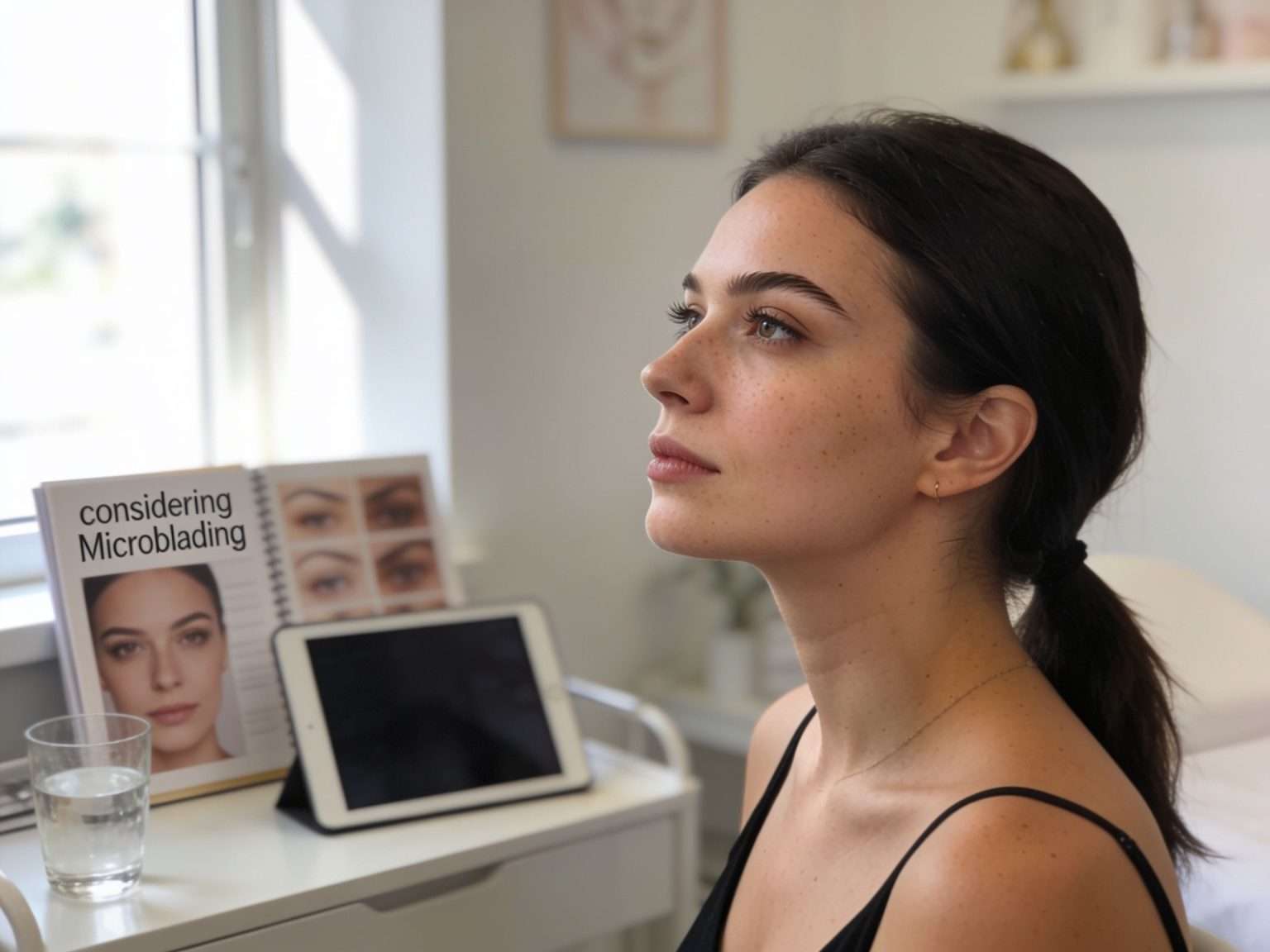
You’ve searched for “permanent eyebrows near me”, saved the before-and-afters, and now you’re wondering what actually happens when you walk through the door. A microblading consultation isn’t a formality — it’s where the real work begins. By the end of this article, you’ll know exactly what to expect, what questions to ask, and whether microblading is likely to be right for you.
1. Your skin type is assessed before anything else
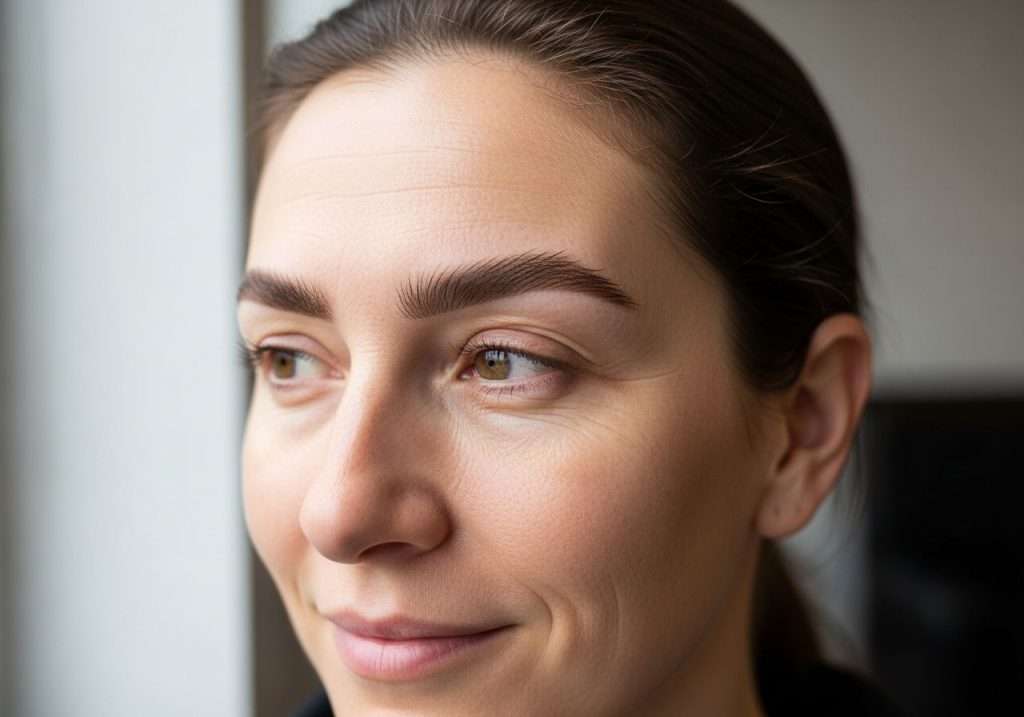
The condition of your skin determines everything: how pigment is deposited, how it heals, and how long the results will last. At a consultation, a practitioner will look closely at skin texture, oiliness, and pore size, because these factors directly affect the outcome.
Oilier skin types tend to push pigment outward during healing, which can cause hair strokes to blur or soften more quickly than they would on drier skin. That doesn’t automatically disqualify you, but it does shape the technique and pigment choices that will be recommended. Knowing this upfront means realistic expectations can be set together, rather than after the fact.
2. Brow mapping is a precise, structured process
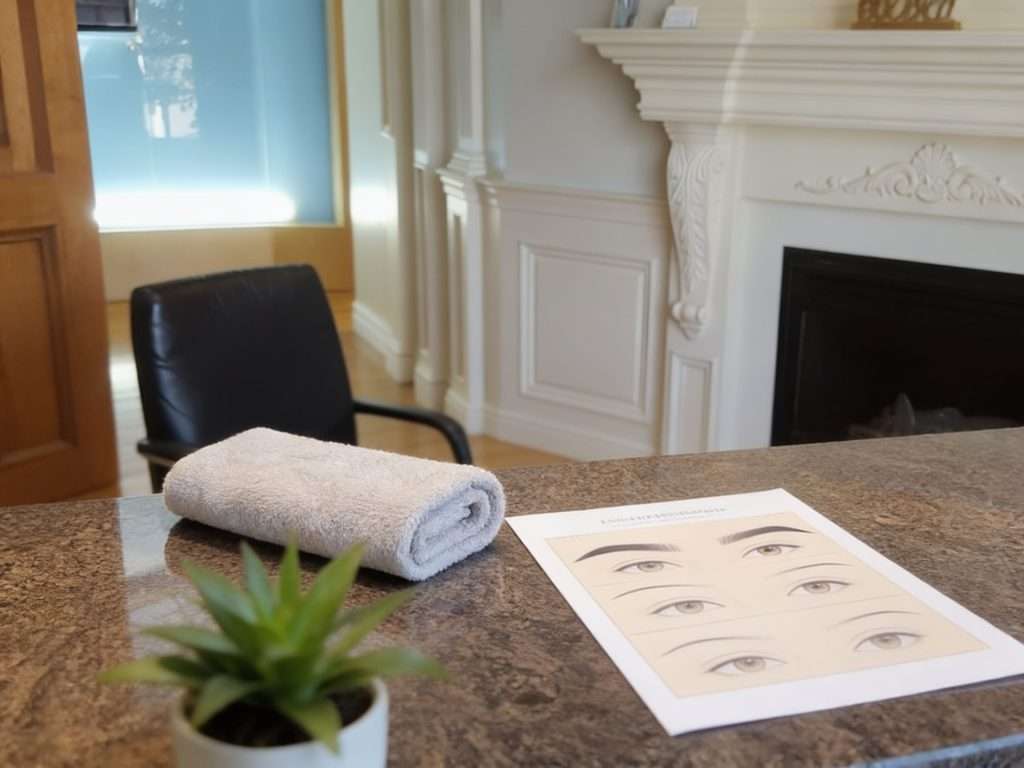
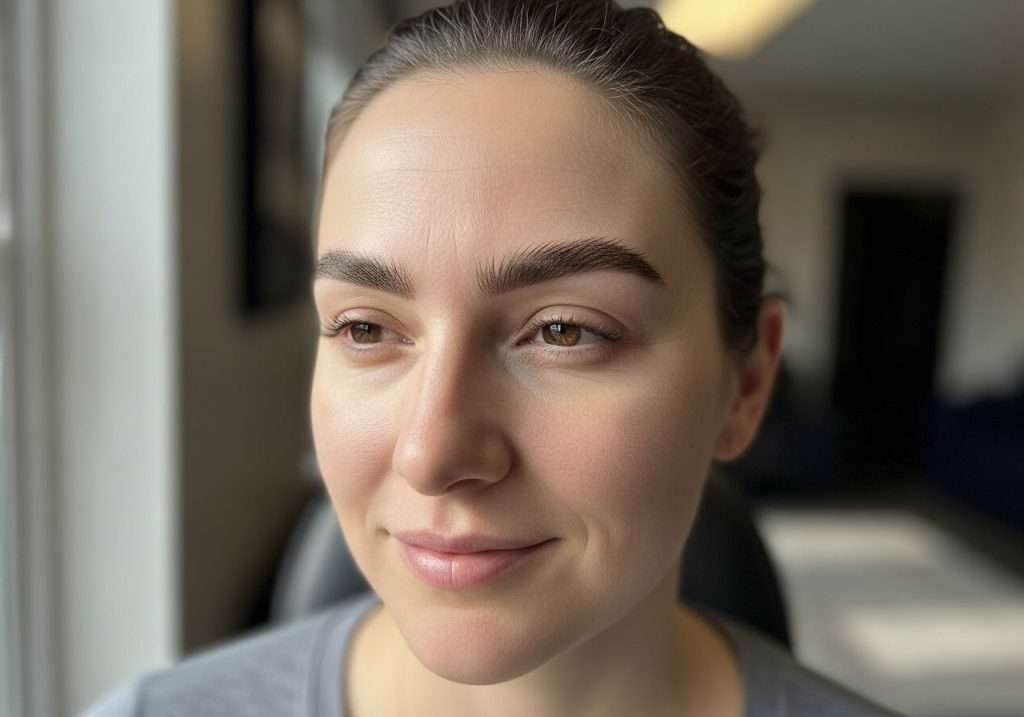
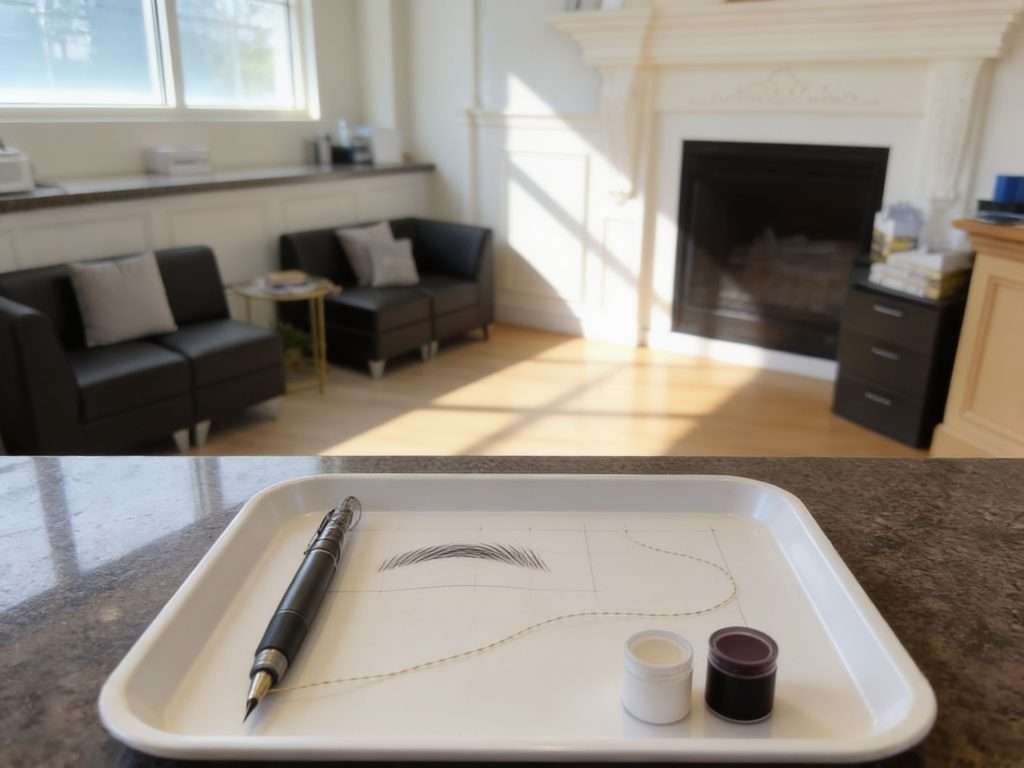
Brow mapping defines the shape of your brows before a single stroke is made. Using measurements based on your facial proportions — the width of your nose, the position of your pupils, your natural arch — the practitioner maps out the brow frame in pencil first, so you can see and approve the shape while you’re still in the chair.
This is your moment to ask questions, request adjustments, and flag anything you’re unsure about. Nothing is permanent at this stage. Brow mapping is a collaborative process, not something done to you, and a thorough artist will never skip or rush through it.
3. Pigment selection is matched to your skin tone, hair colour, and lifestyle
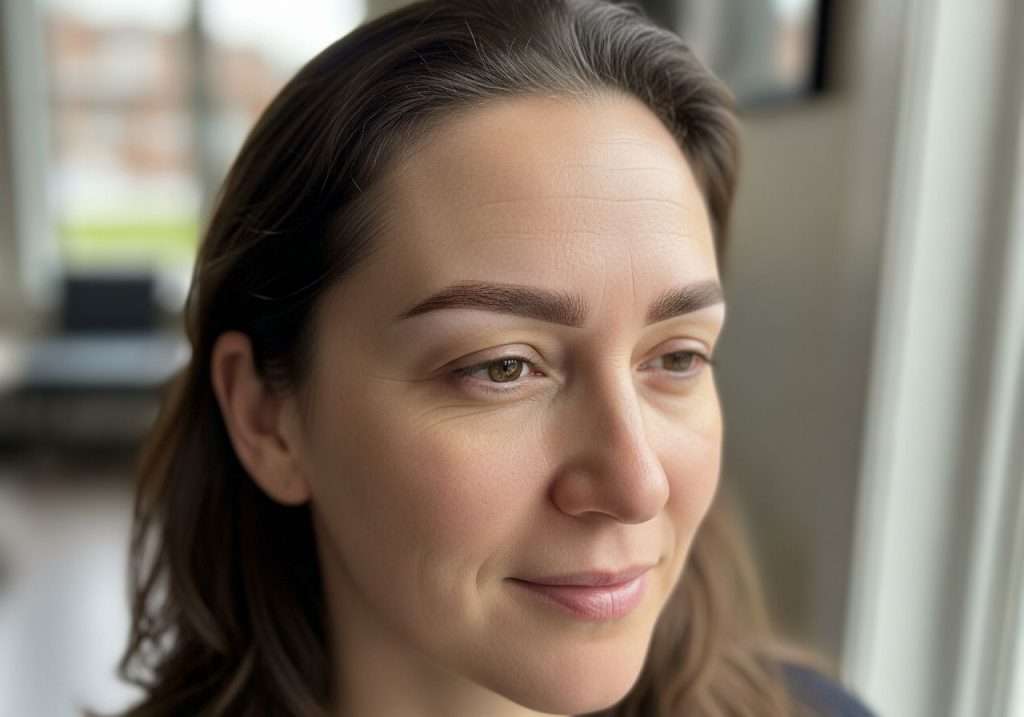
Choosing the right pigment shade is more nuanced than simply matching your current brow colour. A practitioner will consider your natural hair colour, your skin’s undertone, and how pigment typically warms or shifts on your particular skin type as it heals. A shade that looks perfect immediately after the procedure will settle 30–50% lighter over the four to six weeks of healing, so that shift must always be accounted for.
Lifestyle matters too. If you spend significant time outdoors, UV exposure accelerates fading. This should be discussed as part of setting your expectations around top-up frequency, which is typically needed every 12 to 18 months depending on skin type and aftercare habits.
4. Contraindication screening tells us whether you’re a candidate right now
This is the part of the consultation that protects you. Microblading involves superficial cuts in the skin, which means certain medical conditions, medications, and skin conditions affect whether it is safe to proceed.
Common contraindications include active skin conditions such as eczema or psoriasis in the brow area, blood-thinning medications (including some over-the-counter supplements such as fish oil), Botox in the forehead within the past two weeks, chemotherapy, and certain autoimmune conditions. Pregnancy and breastfeeding are also contraindicated. If you have had previous brow work — tattooed brows, powder brows, or older microblading — the existing pigment should be assessed before a plan is agreed, as working over faded pigment requires a different approach.
Being honest during this screening is not merely a formality. It directly affects your safety and your result. If a contraindication applies at the time of consultation, the right course of action is to reschedule when circumstances change, not to proceed regardless.
5. You’ll leave with a clear picture of the full process, not just the first session
A good consultation doesn’t end when the questions stop. Before you leave, you should fully understand what the healing timeline looks like: initial darkness in the first few days, some flaking between days four and seven, and a period around weeks two to three where the brows may look lighter or patchy. This is entirely normal and is not a sign that something has gone wrong.
The colour settles to its true healed tone at around the four to six week mark. Most clients return for a touch-up session at six to eight weeks, where any gaps are filled and fine-tuning takes place. The consultation is also where aftercare is explained: no water, sweat, makeup, or direct sun on the treated area for seven to ten days. Knowing this in advance allows you to plan accordingly, rather than being caught off guard.
Walking into a microblading consultation well informed takes the anxiety out of the experience. The more specific your questions, the more tailored the answers, and the better your result is likely to be.
Frequently Asked Questions
What should I do to prepare for a microblading consultation?
Come with your brows in their natural state where possible. Avoid filling them in so the artist can assess your natural hair pattern and skin. Bring a list of any medications or supplements you take, along with photos of brow shapes you like. Avoid alcohol and blood-thinning supplements for at least 24 hours before any scheduled procedure.
Can I get microblading if I have oily skin?
Oily skin doesn’t automatically rule out microblading, but it does affect how the pigment heals and how long results last. Hair strokes may soften or blur more quickly than they would on drier skin. An experienced artist will adjust their technique and pigment selection accordingly and will be straightforward with you about realistic expectations for your specific skin type.
Who is not a candidate for microblading?
Microblading contraindications include pregnancy, breastfeeding, active skin conditions in the brow area, blood-thinning medications, chemotherapy, and certain autoimmune conditions. Recent Botox in the forehead area is also a contraindication. Your artist should carry out a thorough screening at the consultation. Being transparent about your health history is essential for your safety and the quality of your result.
How long does a microblading consultation take?
A thorough consultation typically takes 30 to 60 minutes. This allows time for skin assessment, brow mapping, pigment discussion, contraindication screening, and a full walkthrough of the healing process and aftercare. If an artist rushes through this in under 15 minutes, that is worth noting, as the consultation is where your result is shaped before the procedure even begins.
How soon after the consultation can the procedure be done?
In many cases the procedure can be carried out on the same day as the consultation, provided no contraindications are identified and you are happy to proceed after brow mapping. Some artists prefer to book a separate appointment, giving you time to reflect on the shape and colour agreed during the consultation before committing. Either approach is valid. What matters is that you feel confident before any work begins.