You have accepted the hair loss and you are done with denial. Now you are choosing between two very different paths: scalp micropigmentation or a hair transplant. This article lays out the five most important differences so you can make a clear, confident decision. No cheerleading, no pressure, just the facts that actually matter.
1. What each procedure actually does to your scalp
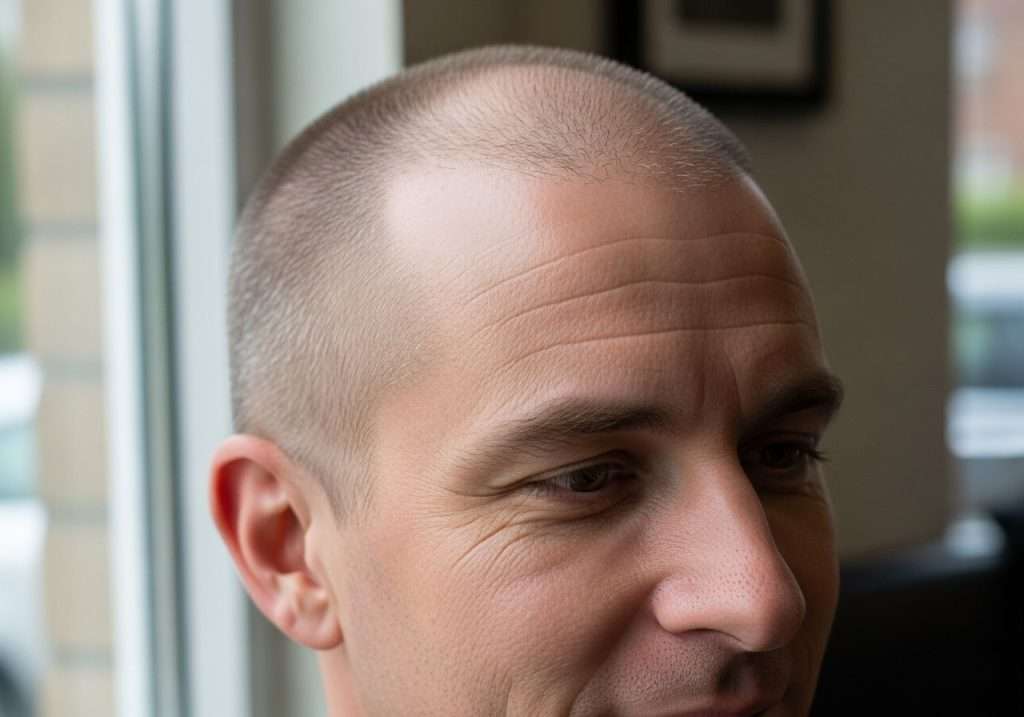
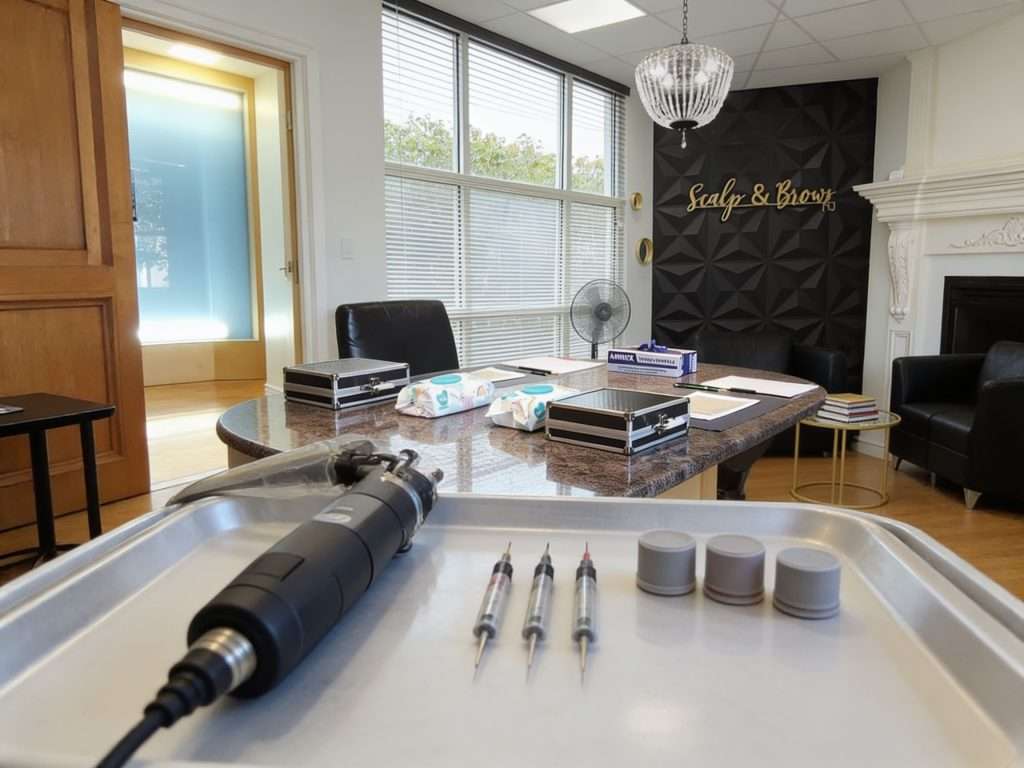
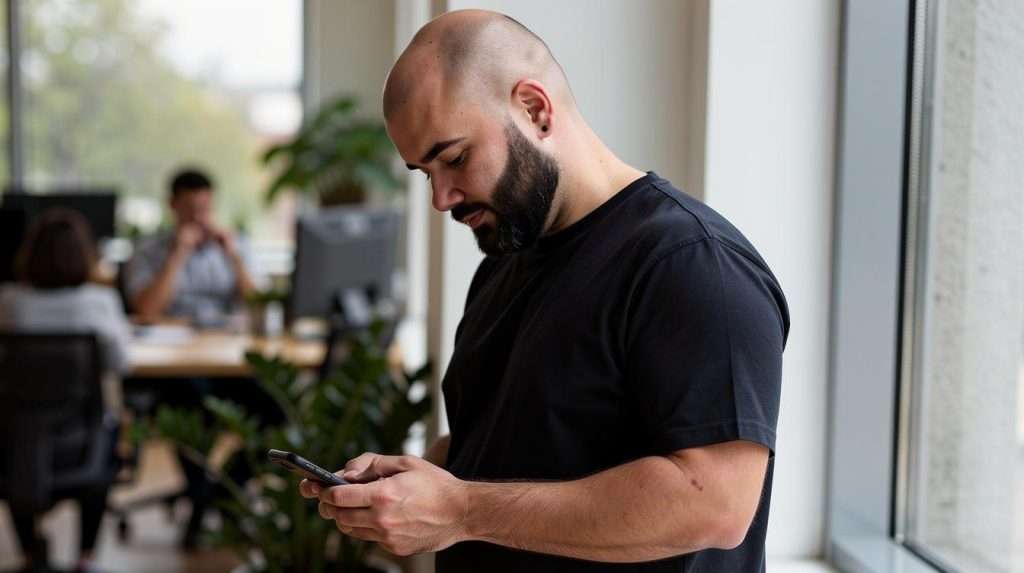
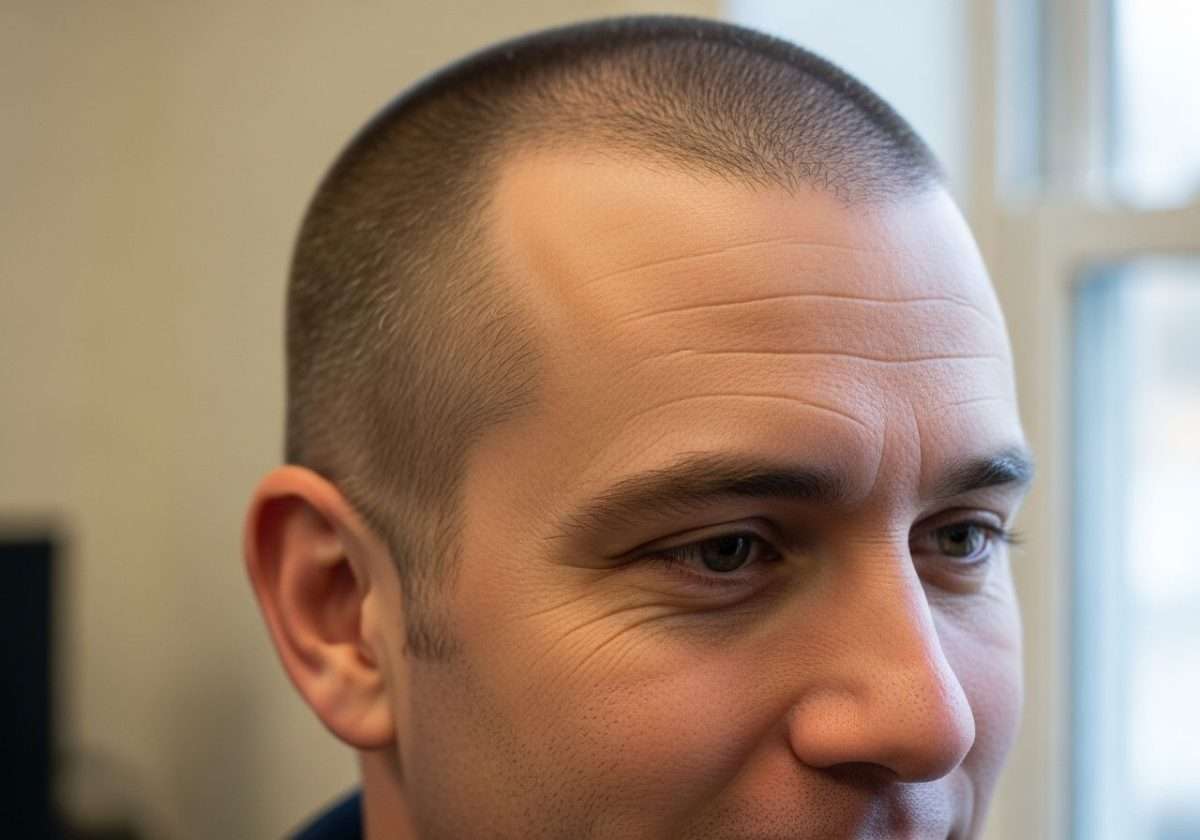
This is the foundation of the whole comparison. SMP is a cosmetic procedure in which medical-grade pigment is deposited into the scalp using an electric needle device. It creates the visual impression of hair follicles, replicating the dense, dotted appearance of a freshly shaved head. It does not stimulate hair regrowth, affect existing follicles, or treat the underlying cause of hair loss in any way.
A hair transplant surgically removes follicles from a donor area, usually the back of the scalp, and relocates them to thinning or bald areas. Those follicles then grow real hair. The two procedures are solving completely different problems: one creates the appearance of hair, the other produces actual hair growth.
If your goal is a shaved, cropped aesthetic rather than longer hair, SMP is worth serious consideration. A transplant producing stubble-length growth still requires ongoing maintenance, medication to slow further loss, and the possibility of repeat procedures if surrounding native hair continues to recede.
2. Cost and what you are actually paying for over time
SMP typically costs between $400 and $5,000 depending on the extent of coverage and the practitioner’s location and experience. Most clients with significant hair loss require two to four sessions. That total investment covers a healed, finished result. Touch-ups are usually needed every four to six years as pigment gradually fades.
Hair transplant surgery starts at a similar lower end but can reach $15,000 or more for extensive coverage. That figure rarely accounts for the full picture: post-operative medications, potential follow-up procedures, and the ongoing cost of treatments such as finasteride or minoxidil to protect the transplanted and remaining hair. Neither procedure is covered by insurance.
When comparing costs, factor in the full timeline, not just the initial outlay. SMP’s cost structure is more predictable: a known number of sessions upfront, followed by a periodic top-up. The transplant route can involve an open-ended series of decisions as natural hair loss continues.
3. Recovery time and what those weeks actually look like
After an SMP session, the aftercare is specific but manageable. For the first four days: no water on the scalp, no shampooing, no sweating, no shaving. From days five to ten, gentle washing resumes but sun exposure should be avoided. From day ten onwards, normal grooming can continue with SPF applied to the scalp. Swimming pools should be avoided for 28 days. Full healing takes approximately one month.
Initial redness subsides within two to three days. There is no surgical incision, no stapling, no donor site wound. Most clients return to desk work within a day or two.
Hair transplant recovery is a different proposition. The scalp is a surgical site. Swelling, scabbing, and tenderness are expected in the first week to ten days. Transplanted hairs typically shed within two to three weeks before regrowing, a process called shock loss that can be alarming if you are not prepared for it. Full results from a transplant are not visible for nine to twelve months. The commitment to the outcome is significantly longer.
4. Who is and is not a realistic candidate for each option
SMP has very broad candidacy. It works for male pattern baldness at any stage, alopecia areata, alopecia totalis, scarring alopecias, and scalp scars. It also works for men who have already had a hair transplant and want to improve the appearance of density or camouflage a visible scar. Active scalp acne, psoriasis flare-ups, eczema, and keloid-prone skin are contraindications, but the list of people who cannot have SMP is relatively short.
Hair transplant candidacy is more restrictive. You need sufficient donor hair, which men with advanced diffuse loss or alopecia totalis often do not have. Your hair loss pattern also needs to be reasonably stable; transplanting into an area where native hair will continue to thin creates a patchy result over time. Surgeons typically decline patients whose loss is still progressing rapidly without medical management in place.
In short, SMP is available to more people, including those for whom a transplant is not viable. If a surgeon has told you your donor supply is insufficient, SMP remains an option.
5. How long results last and what maintenance looks like
SMP results typically last four to eight years before fading becomes noticeable, with touch-up appointments usually needed every three to six years. Fading occurs because epidermal pigment clears naturally through skin cell turnover, while the deeper dermal pigment gradually diminishes due to sun exposure, skin ageing, and the immune system’s macrophage activity. Applying SPF 30 to 50 to the scalp daily is one of the most effective ways to extend the result.
Factors that accelerate fading include high sun exposure, oily skin, and a faster cellular metabolism. Dry skin, mature skin, and consistent SPF use support longer-lasting results. A 2025 case series recorded mean visual density scores of 8.7 out of 10 immediately post-treatment, declining modestly to 7.7 at the six-month mark, a small shift that illustrates how gradual and manageable fading is.
A successful hair transplant, by contrast, produces permanent follicles in the transplanted area. However, the hair surrounding those follicles continues to be subject to DHT-driven loss, which means the overall picture changes over time. Most transplant patients manage this with ongoing medication and may require further procedures. SMP’s maintenance model is more straightforward: when the density looks lighter than you would like, book a top-up session.
Both procedures have a genuine place, and for some men, SMP and a transplant are not mutually exclusive. SMP is regularly used to improve the appearance of transplant scars or add density behind a hairline. The right choice depends on what visual outcome you are after, how much downtime you can accommodate, and what your scalp’s specific situation allows. Understanding these five distinctions gives you the foundation to have that conversation with confidence.