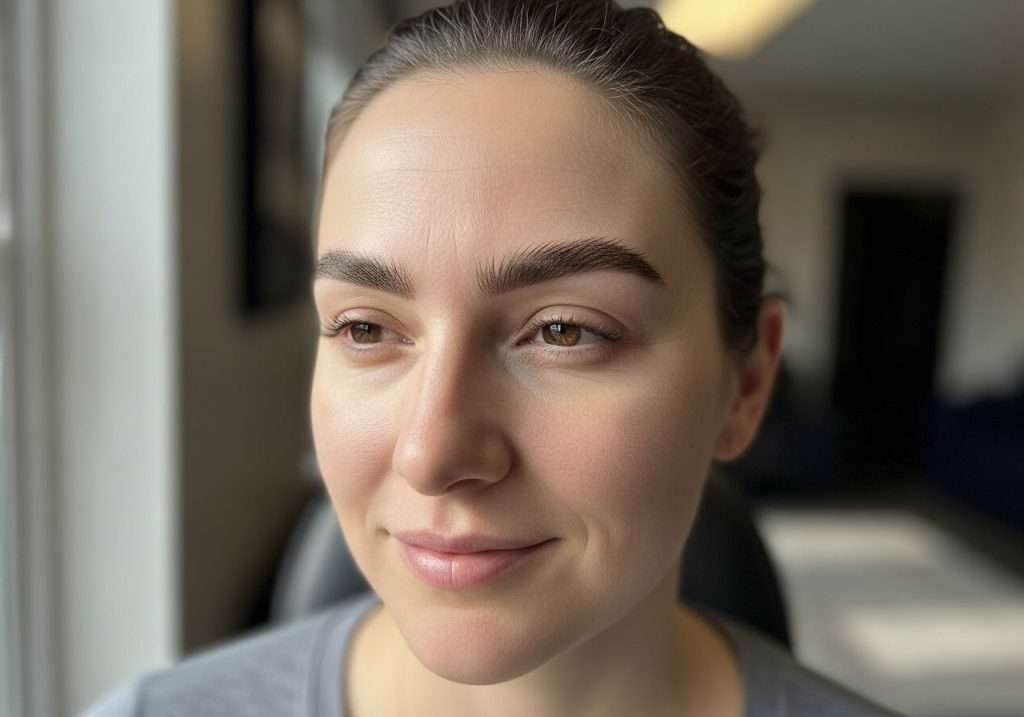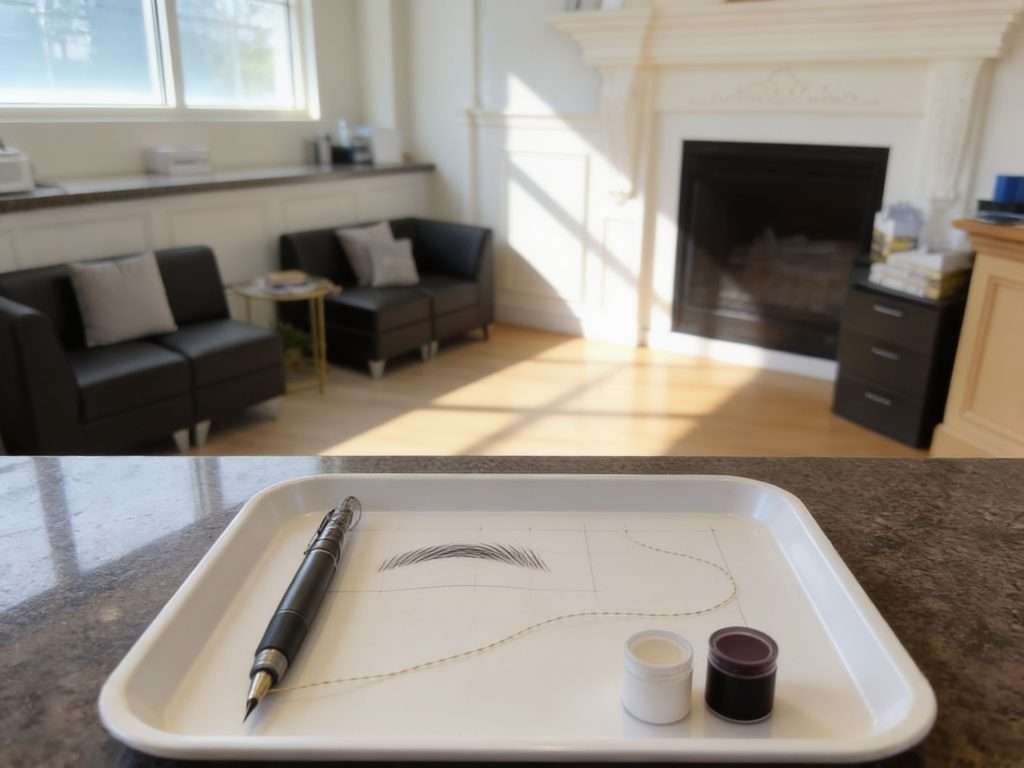
You have just had your brows done and they look exactly right. The question almost everyone asks next is: how long is this actually going to last? The honest answer depends on several things that are specific to you, not a single number that applies to everyone. This article breaks down the five key factors so you can set a realistic expectation and protect your investment from day one.
1. The healing arc sets the foundation for everything
Microblading results do not settle overnight. The first four to six weeks are an active healing phase, and what you see in the mirror during that window is not your final result. Freshly applied pigment sits darker and more defined than the healed colour.
Over those first weeks, the skin forms a light protective layer over the strokes, which temporarily mutes the colour. You may notice a lightening of 30–50% as healing progresses. This is completely normal. The pigment has not disappeared; it is settling into the dermis, and the true, softened result emerges once healing is complete.
Rushing to judge your brows before the six-week mark is one of the most common mistakes clients make. Give the process its full timeline before drawing any conclusions.
2. Your skin type affects longevity more than almost anything else
Oily skin is the single biggest factor that accelerates microblading fading. When the skin produces excess sebum, that oil gradually breaks down the pigment deposited in the upper dermis. Clients with oilier skin often find their results last closer to 12 months, while clients with normal or drier skin can comfortably reach 18–24 months between sessions.
If you have combination or oily skin, that does not mean microblading is not right for you. It simply means your top-up schedule will likely fall at the shorter end of the range. Knowing this upfront lets you plan and budget accordingly, rather than being caught off guard when your strokes soften sooner than a friend’s did.
3. Sun exposure is the fastest way to fade pigment prematurely
UV light breaks down pigment, full stop. Regular, unprotected sun exposure on the brow area is one of the most reliable ways to shorten the lifespan of your microblading results. This applies both during the initial healing period and in the months that follow.
During the first seven to ten days of healing, direct sun exposure on the treated area should be avoided entirely. Once healed, applying an SPF to the brow area becomes part of long-term maintenance. Clients who spend significant time outdoors, whether working outside or living in sunny climates, should factor in more frequent top-ups as part of their routine.
A broad-spectrum SPF 30 or higher applied daily to the brow area is one of the simplest things you can do to extend the life of your results beyond the average timeline.
4. Skincare actives will work against your results if you are not careful
Retinoids, AHAs, BHAs, and vitamin C serums are popular for good reason: they accelerate cell turnover and resurface the skin. That same mechanism, applied near the brow area, will push pigment out of the skin faster than it would otherwise fade.
If your skincare routine includes any of these actives, avoid applying them directly to or around the brows. This applies from day one of healing and as an ongoing habit. The rest of your face can follow your usual routine; it is the brow zone specifically that needs protecting.
Glycolic acid peels and professional resurfacing treatments near the brow area carry the same risk. Always mention your microblading to any skincare professional before treatment so they can avoid the area.
5. The touch-up session is part of the process, not an afterthought
A touch-up, typically scheduled six to eight weeks after the initial session, is not optional. It is the second half of the treatment. The first appointment lays the foundation; the touch-up refines density, corrects any areas where pigment did not retain as expected, and locks in the final shape.
Microblading longevity and top-ups are directly linked: clients who skip or delay their initial touch-up often find the results fade unevenly or faster than expected. After the touch-up, most clients return for a refresh every 12–18 months depending on the factors covered above. Some go longer; some prefer to refresh annually. The right schedule is the one that keeps your brows looking intentional rather than faded.
Watching for the strokes to soften noticeably, losing their crispness or appearing lighter than you would like, is the clearest signal that a top-up is due. You do not need to wait until they have almost disappeared.
Microblading results are not fixed in stone, and that is part of what makes them adaptable. Understanding what drives the timeline puts you in control of the outcome rather than simply hoping for the best.
Frequently Asked Questions
How long does microblading last on average?
Microblading typically lasts between 12 and 30 months. The wide range reflects real differences in skin type, lifestyle, and aftercare. Oily skin and high sun exposure sit at the shorter end; drier skin with good SPF habits and careful skincare can extend results significantly beyond the 18-month midpoint.
When should I book my first microblading top-up?
Your first top-up should be booked six to eight weeks after your initial session, once healing is complete. This appointment refines the shape, corrects uneven pigment retention, and finalises your result. Skipping it risks uneven fading. After that, most clients return every 12–18 months depending on how well their skin holds the pigment.
Does oily skin affect how long microblading lasts?
Yes, significantly. Oily skin produces sebum that breaks down pigment in the upper dermis faster than drier skin types. Clients with oily or combination skin often find results last 12–14 months rather than the 18–24 months seen with drier skin. More frequent top-ups are a practical expectation, not a sign that something went wrong.
Can I use retinol near my microbladed brows?
Retinol and other skincare actives such as AHAs and BHAs accelerate skin cell turnover, which pushes pigment out of the skin faster. Avoid applying these products directly to or around the brow area. The rest of your face can follow your usual skincare routine, but protecting the brow zone will noticeably extend your microblading results.
Why do my microbladed brows look lighter a few weeks after the session?
Lightening of 30–50% during the healing phase is completely normal. Freshly applied pigment sits darker than the settled result. As the skin heals, a light layer forms over the strokes, temporarily muting the colour. The true, softened result becomes visible once healing is complete at around four to six weeks. Do not pick at any flaking skin during this period.